
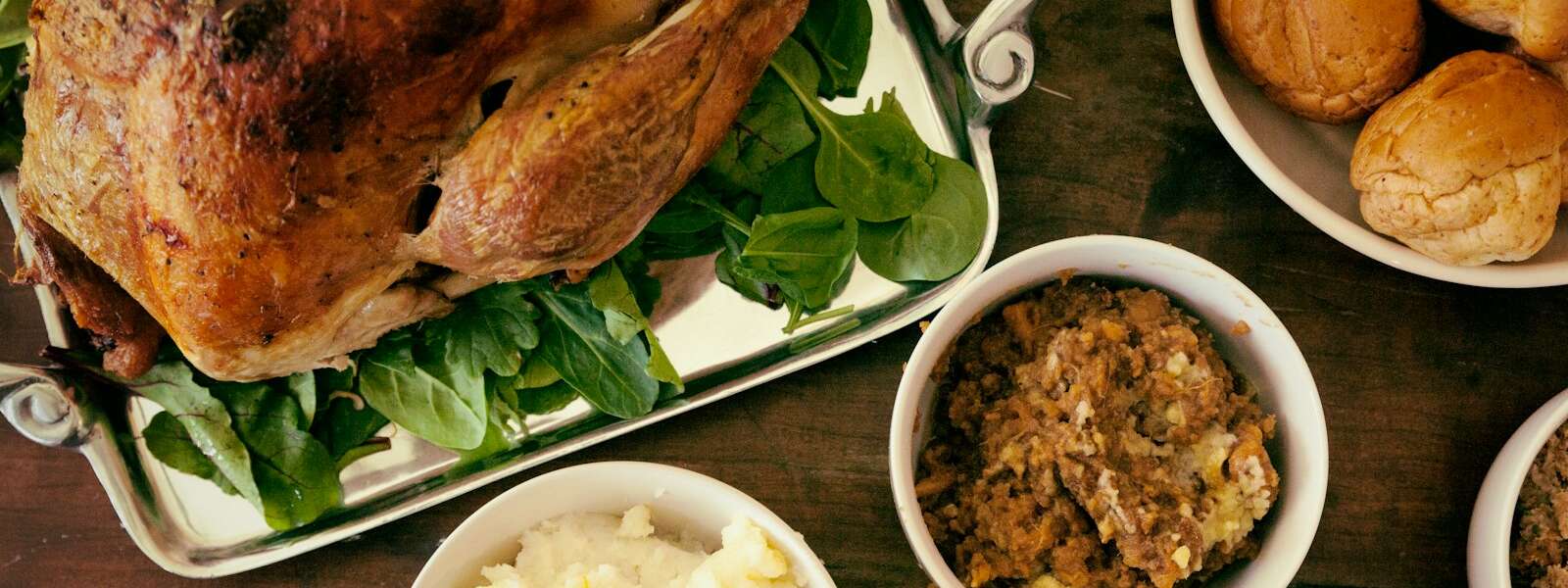
University of Guelph researchers are behind many of the staples enjoyed over the holiday season
As friends and family gather to celebrate the fall season this year, a lot of what’s making it onto their plates is thanks to the University of Guelph.
For more than 150 years, U of G researchers have worked with partners throughout the agriculture industry to make food better, healthier, safer and more available, from turkey and potatoes to honey and apple pie.
Canada’s Food University brings together top-ranked programs in food, agriculture and veterinary science with expertise, from farm to fork. As Canada faces ever-growing threats to food sovereignty, U of G is at the forefront of innovating our food system and keeping Canadians fed.
Much of the research is done with support from the Ontario Agri-Food Innovation Alliance, a collaboration between the Government of Ontario and U of G, at research centres owned by Agricultural Research and Innovation Ontario, an agency of the Government of Ontario, and managed by U of G through the Alliance.
Here’s a look at what parts of your harvest meal can be traced back to U of G:
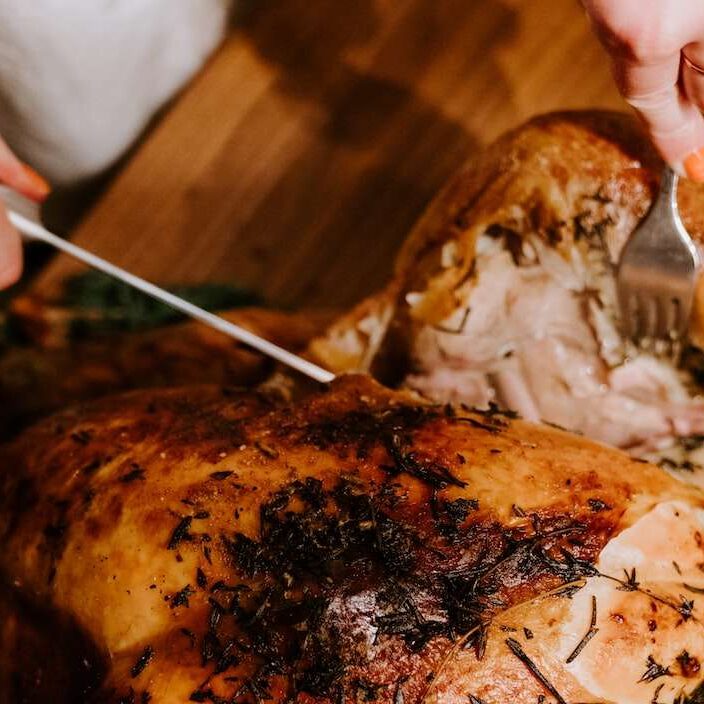
Turkey, the holiday staple
U of G researchers are working to breed the perfect turkey, selecting breeding stock for characteristics like health, meat quality and yield. This work requires field and lab work, with innovative agri-tech helping farmers breed the best birds.
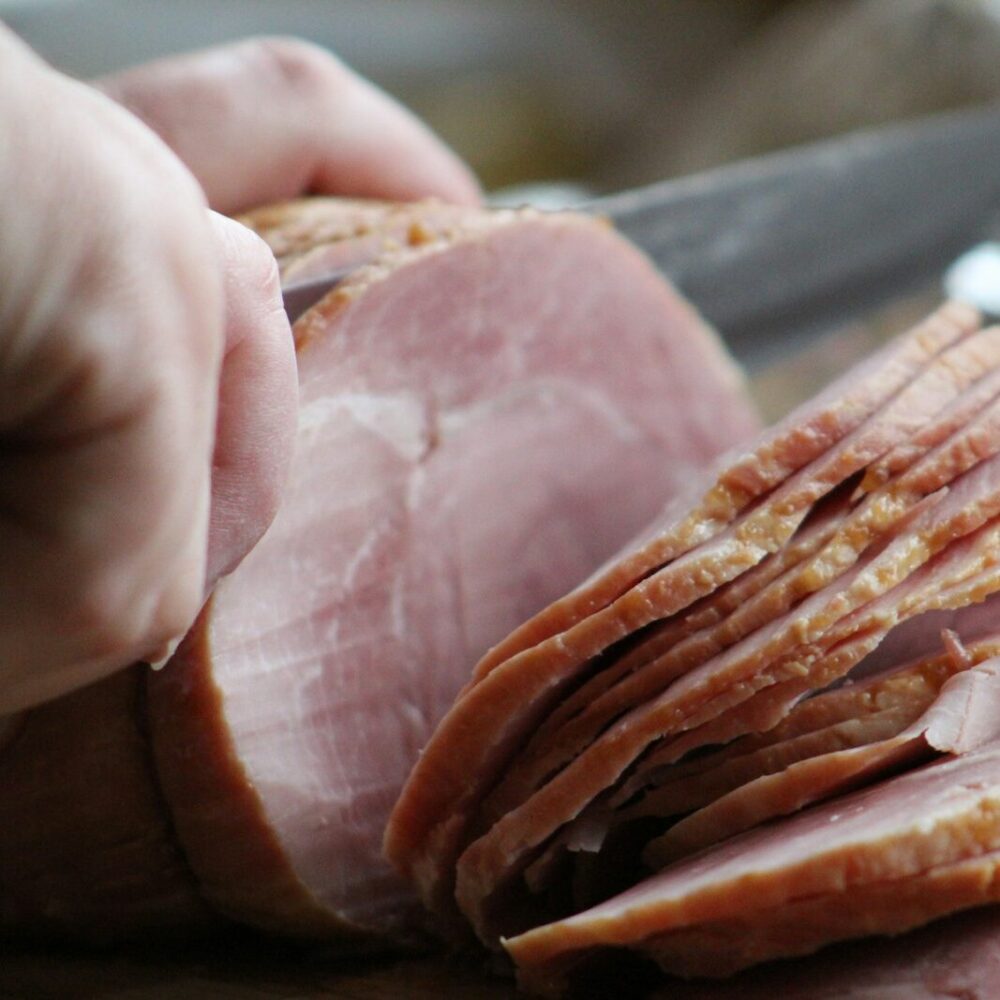
Ham another tasty main
If turkey isn’t on the menu this year, U of G is also working to improve ham. The Ontario Swine Research Centre in Elora offers facilities for researchers across disciplines to make evidence-informed decisions in pork breeding, exploring nutrition, animal health and welfare.
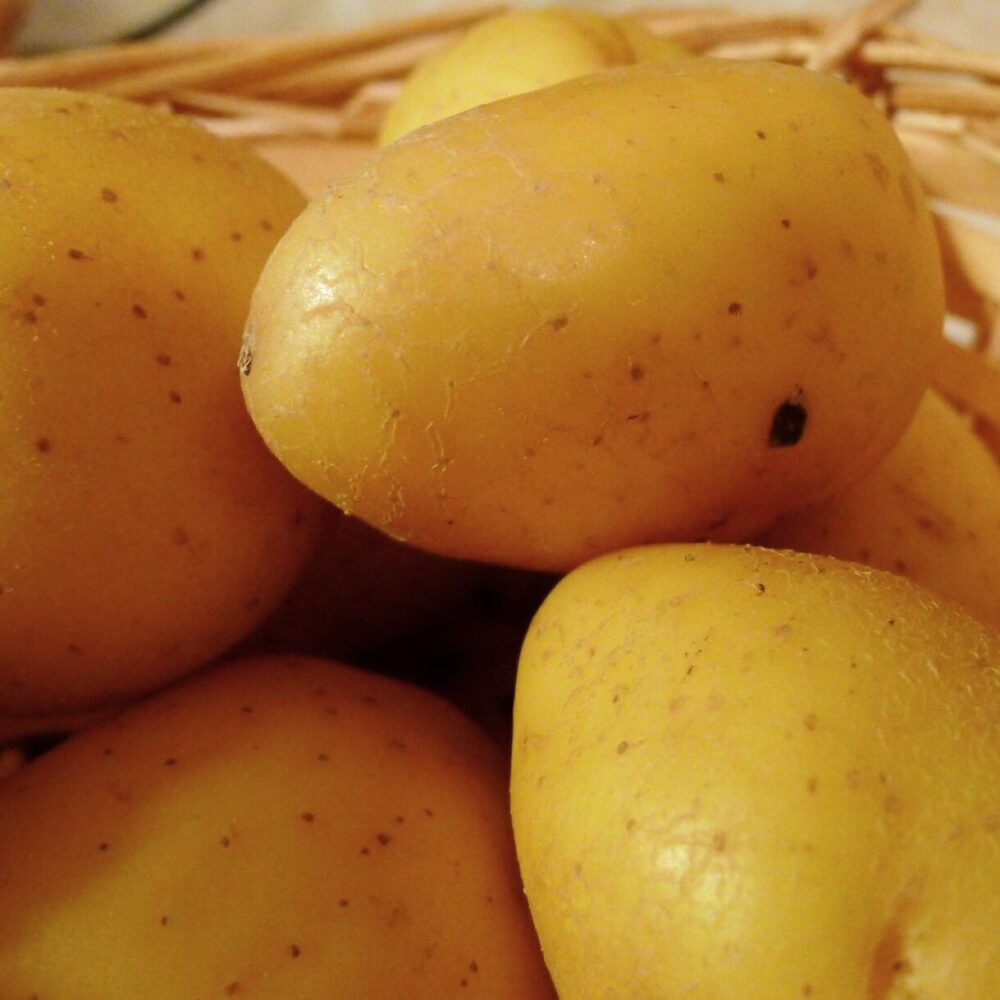
Yukon Gold potatoes are perfect side
Mashed and roasted potatoes are a staple on a harvest plate, and you can thank U of G for a crowd favourite: the Yukon Gold potato . It reached Canadian growers in 1981 and continues to be among the most popular potatoes on the market today. U of G-led potato research continues today, focused on testing new varieties, managing disease, maintaining storage quality and more.
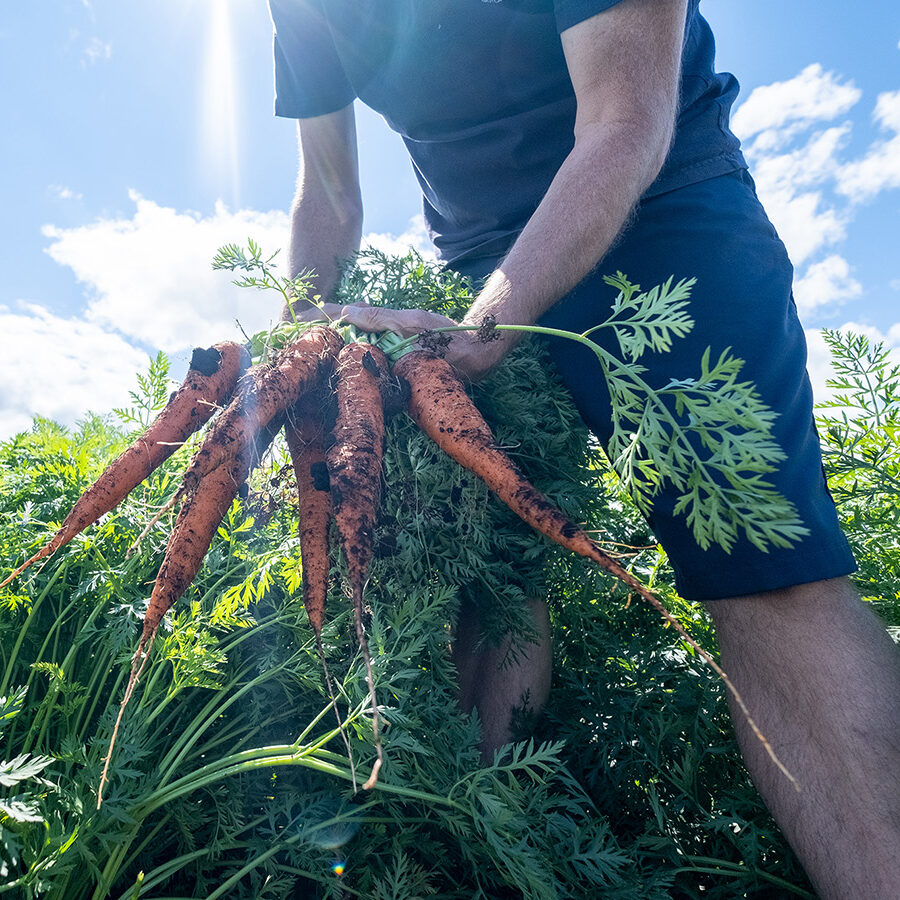
Colourful carrots add nutrition
Carrots bring a little colour to the harvest table, helping provide important nutrients to fight disease. Half of Ontario’s carrots are grown in Holland Marsh and research at the Ontario Crops Research Centre – Bradford is helping producers maintain and improve their crops for years to come. Part of this work includes monitoring and treating pests on carrots in the field.
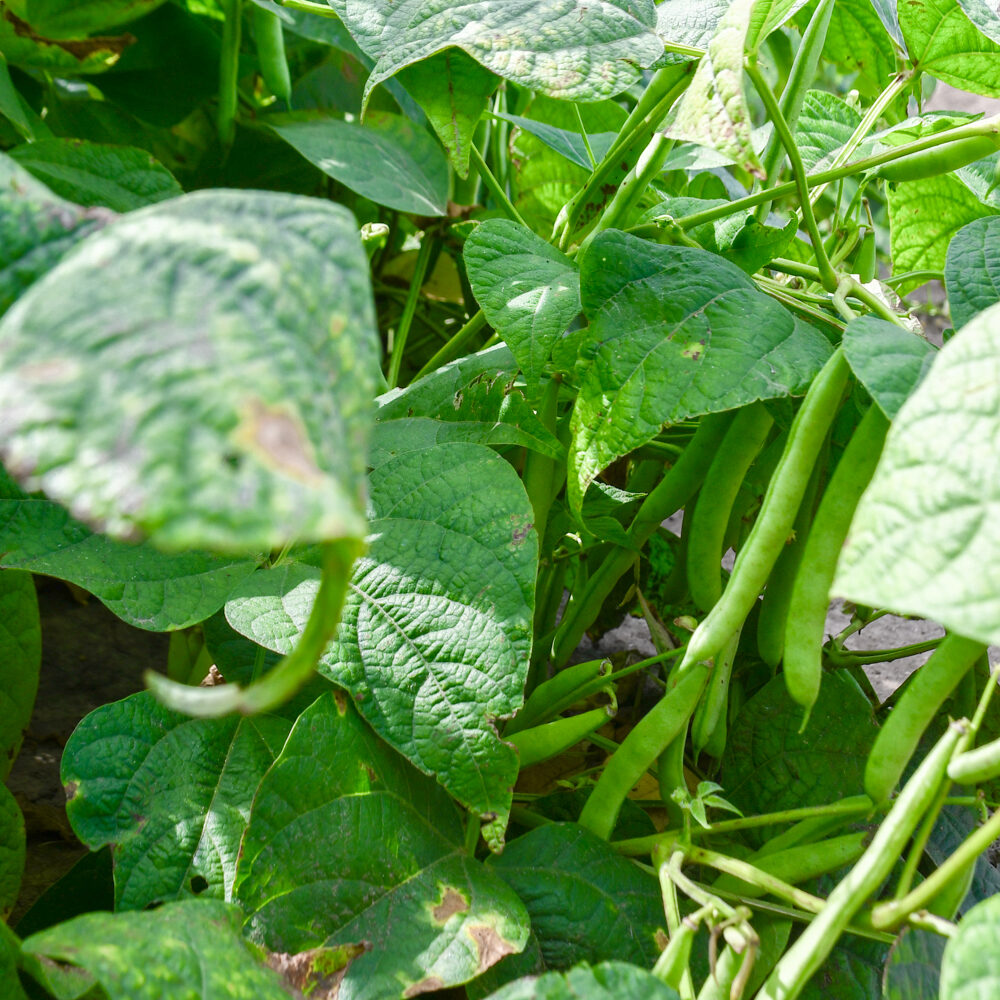
Dish up some beans
Beans make a great side dish and add fibre and protein to a harvest meal. U of G researchers are working to improve quality and yield, developing an artificial intelligence platform known as BeanGPT to help guide the breeding of dry beans suited to specific growing conditions. Every year, U of G’s dry bean breeding program develops hundreds of crosses to continue improving genetic diversity.
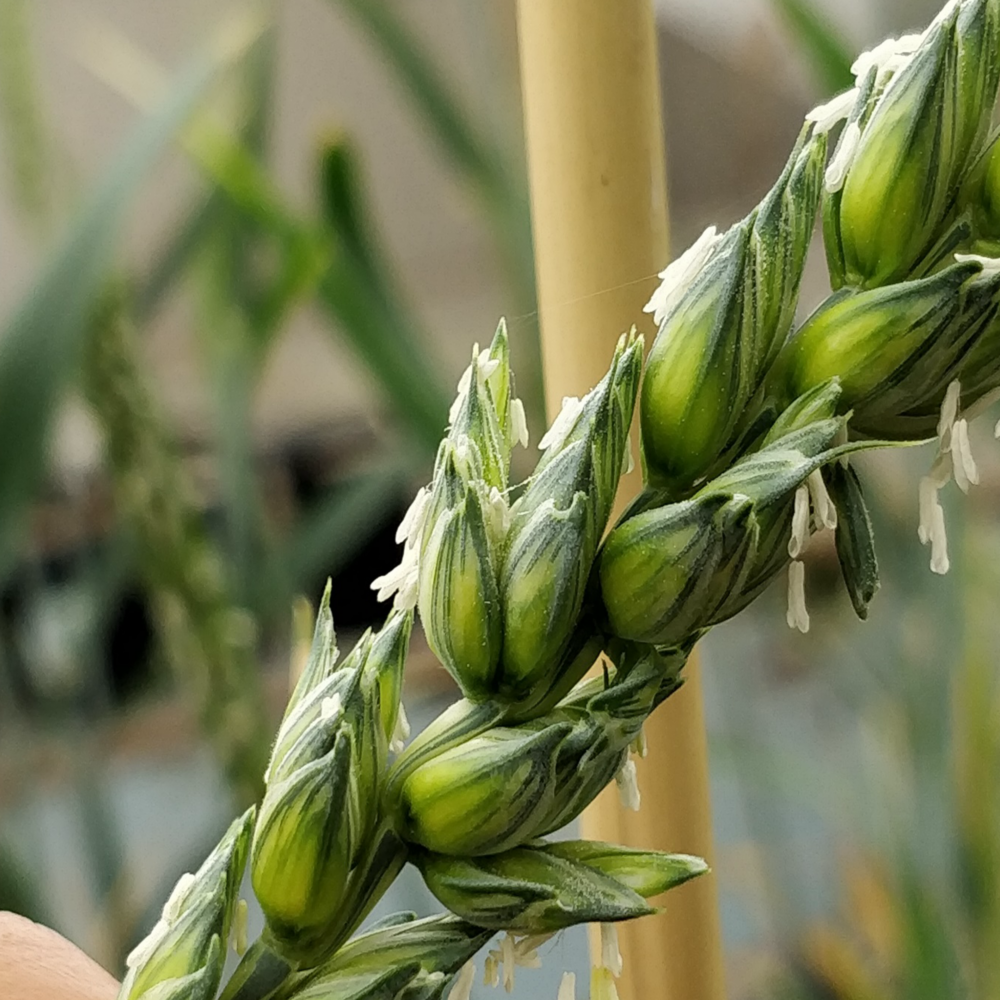
Bread and stuffing
Disease is a common threat for a lot of invaluable crops, including in Canada’s wheat fields. Fusarium head blight (FHB), caused by a fungal pathogen, has devastated crops and threatened the bread used for rolls and stuffing during the holiday season. Students and researchers are exploring AI solutions to monitor for disease and stop it in its tracks, ensuring Ontario’s bread supply well into the future.
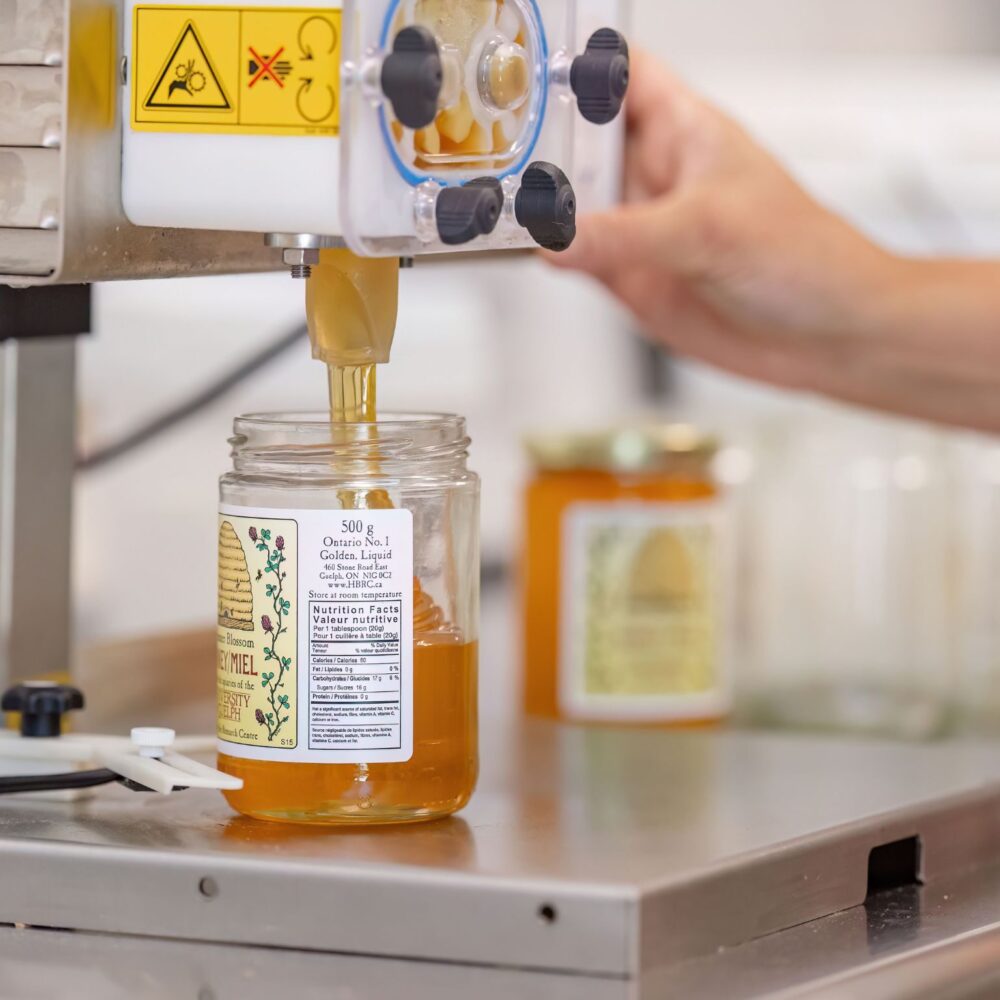
Honey sweetens the feast
Many of the produce featured in a harvest meal, including cranberries and pumpkins, need pollinators to thrive. One-third of the world’s food relies on pollinators like honey bees and honey is a great option to glaze hams, potatoes, carrots and more. U of G is a global leader in honey bee research, working at the newly renovated Honey Bee Research Centre to protect bees from threats and continue innovating pollinator health.
Apple pie for dessert
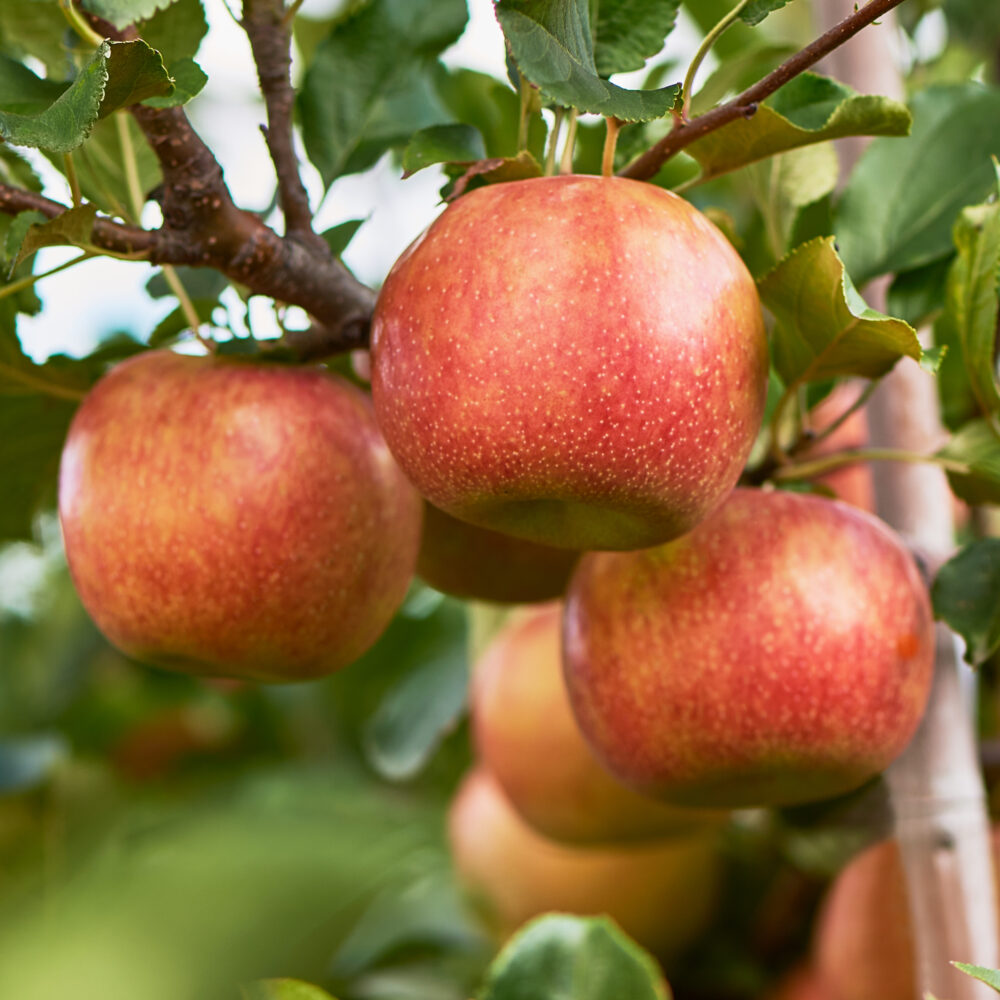
What’s a festive meal without a sweet treat at the end? If apple pie is your dessert of choice, the apples baked into your pie were studied at the orchards of the Ontario Crops Research Centre – Simcoe. Researchers prevent spoilage by applying a natural compound to orchard apples, extending shelf life and helping fruit stay tastier longer.
Food safety innovation
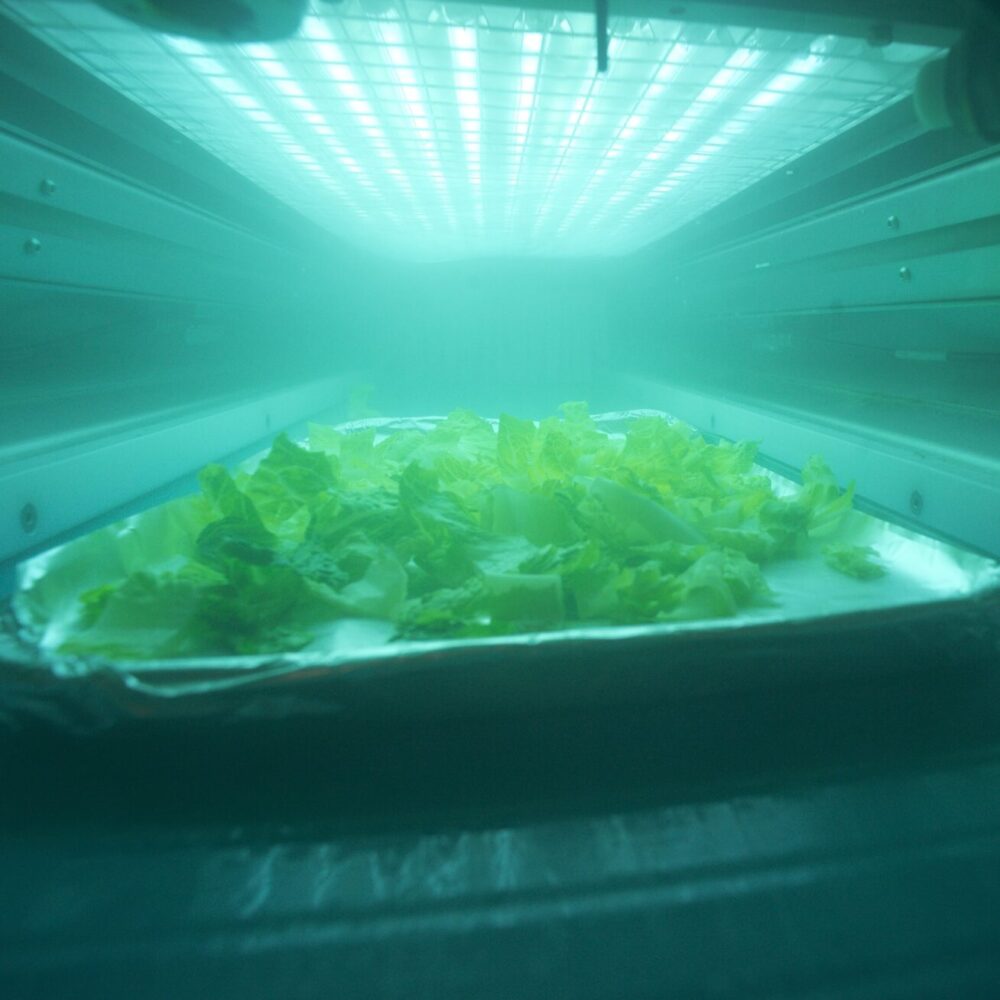
Preparing and storing food properly is key to making sure everyone feels full, not sick. Food scientists at U of G focus on preventing food-borne illness through decontamination methods and exploring proper food handling. Clean Works technology developed at U of G can decontaminate fruits and vegetables in seconds, removing toxins and improving food safety. The development of the tech helped save candy apples, a classic fall treat.
Keeping a close eye on food costs
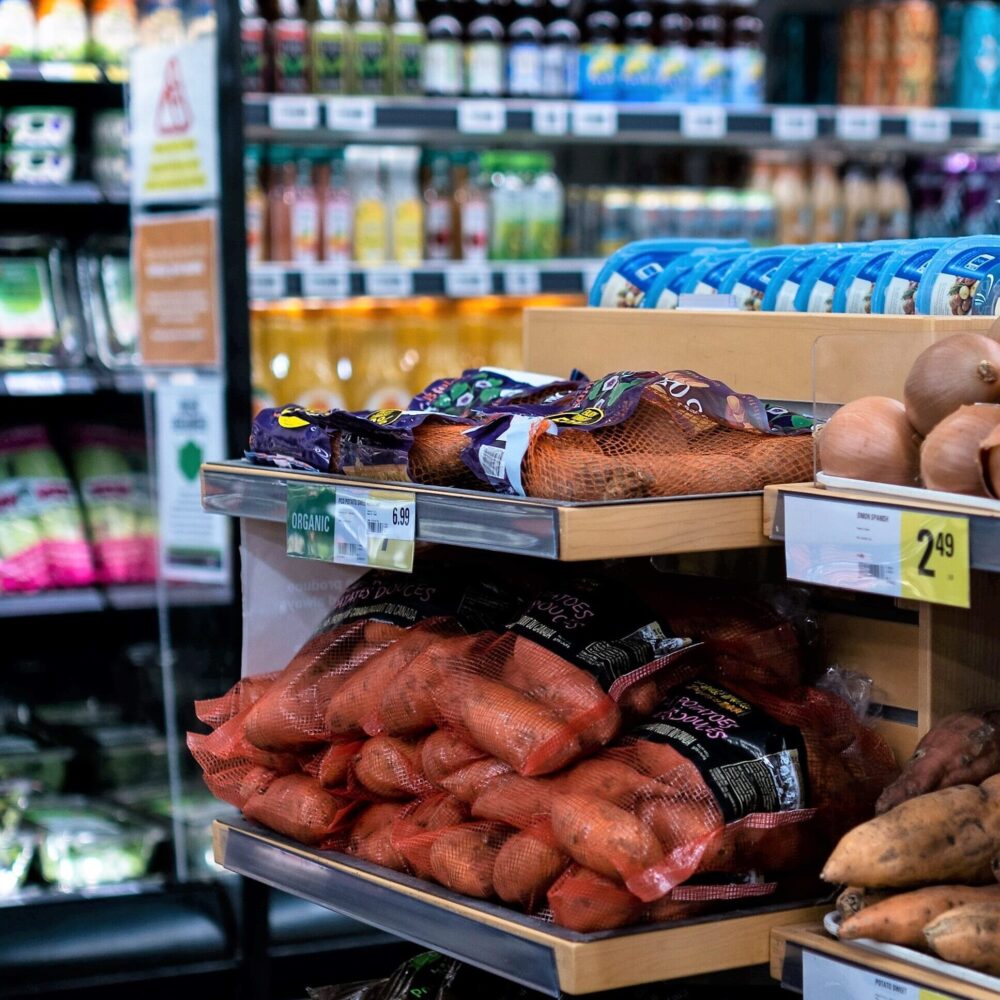
Food prices have been at the forefront of most Canadians’ minds in recent years amid inflation and trade tariffs. U of G helps Canadians prepare by contributing to the annual Canada Food Price Report, which predicts food cost increases.
Researchers across the University are exploring other ways to manage inflation. Advancements in robotics and agri-tech are helping reduce costs for producers, while other AI innovations are helping increase the amount of fresh produce grown year-round here at home.
Researchers across U of G share a common goal this season: producing healthy food, innovating the agriculture industry and helping rural communities thrive.