
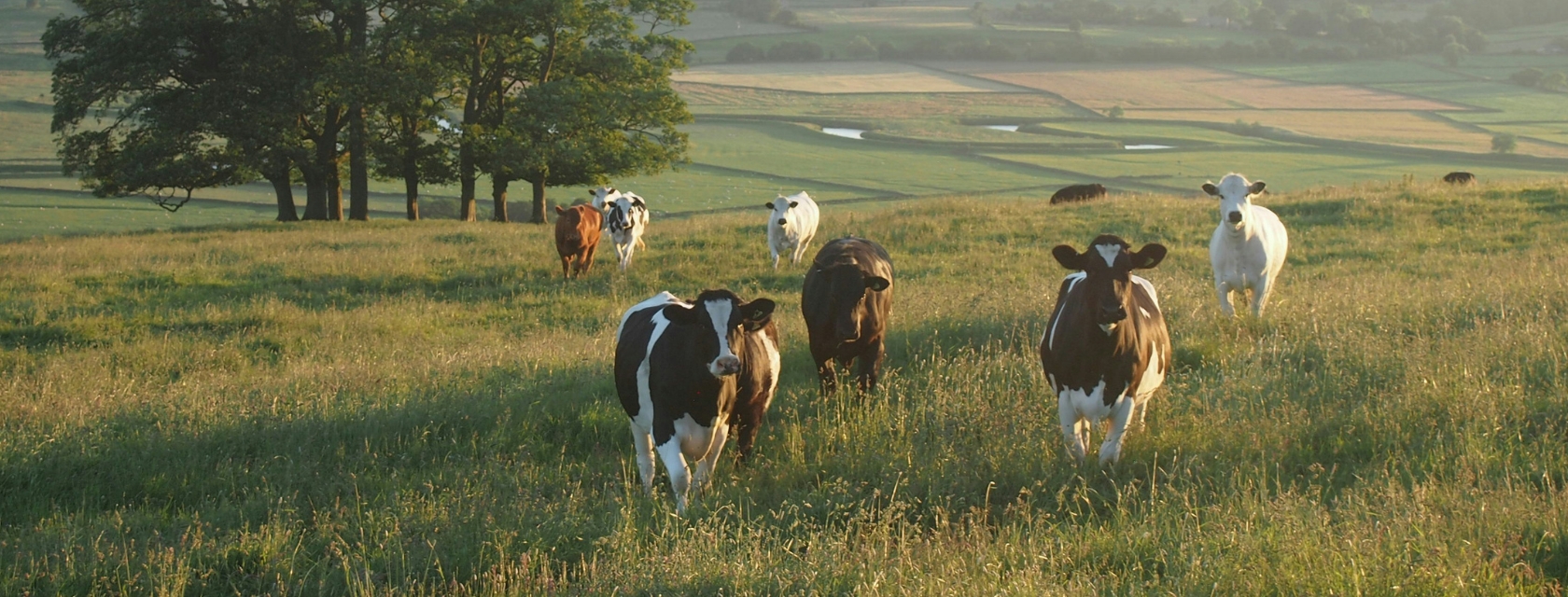
High immune response (HIR™) technology selects for strong immunity and could be key against avian flu
For over 35 years, Dr. Bonnie Mallard has been improving life. Quite literally.
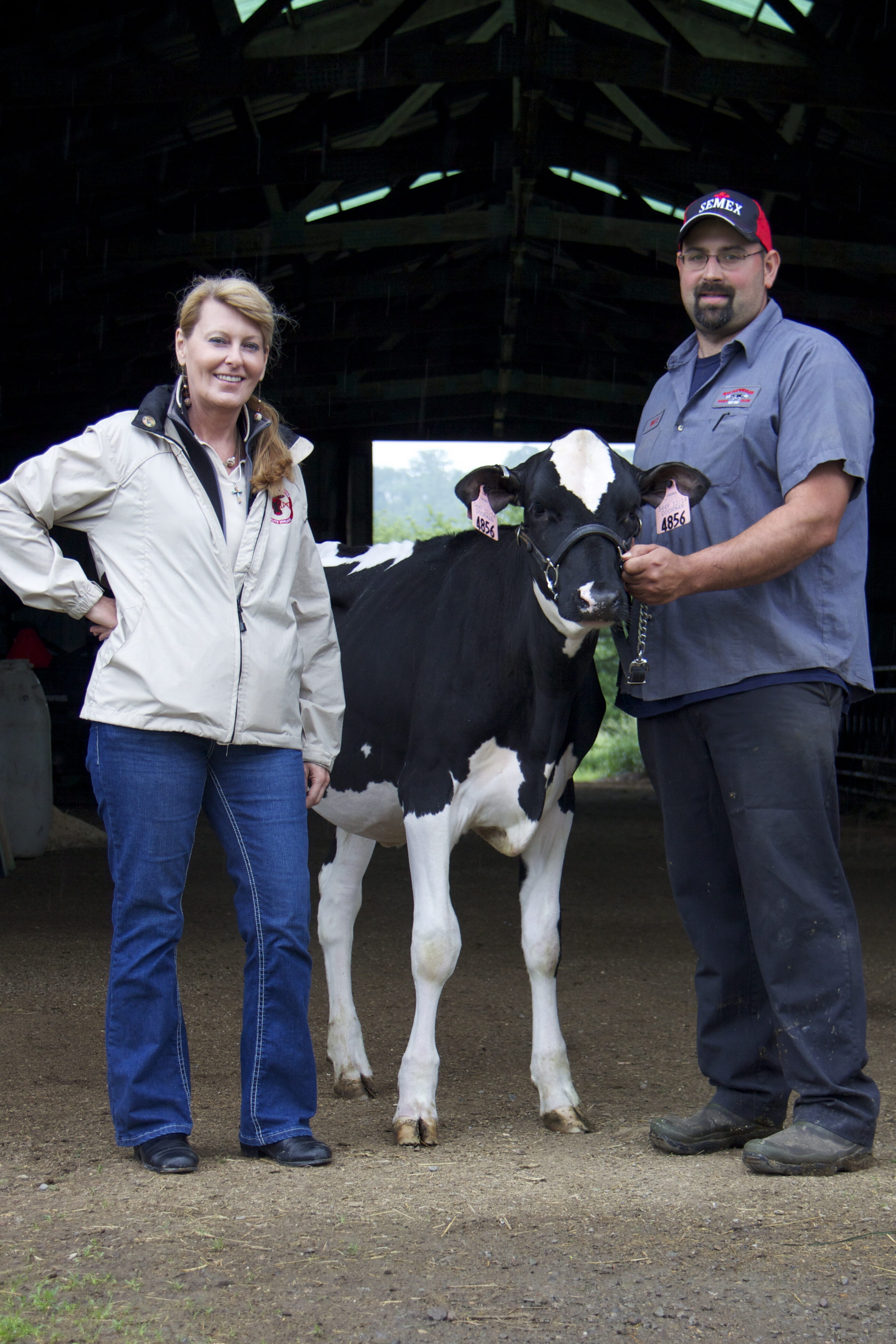
Her award-winning research is high-immune response (HIR™) technology, a test to find animals that can pass down their naturally strong immune response genetics.
The “Eureka!” came during her undergraduate degree. As she studied horses with an inherited disorder known as combined immunodeficiency disease, she learned that genetic defects in the immune system can cause life-threatening illness and get passed down over generations.
But if defects in immune genetics can be detrimental, she thought, then perhaps the inverse is true: good immune genetics can lead to powerful disease resistance, which can, in turn, be inherited.
“If we can inherit disorders, we can inherit better order,” explains Mallard, a pathobiology professor in the Ontario Veterinary College.
Decades later, this insight has been honed into a powerful solution for farmers and breeding companies worldwide. Today, special antigen test kits are used to stimulate the target animal’s immune system. Those that react the best are labeled high-immune responders. Farmers then breed these animals to improve the entire herd over generations.
The technology, licensed to Semex in Guelph, has led to the creation of Immunity+® semen. And Immunity+ offspring are nothing short of incredible:
- They are half as likely to develop infectious diseases
- They need less medicine and antibiotics
- They grow faster and live longer, saving farmers hundreds of dollars per animal per year
- They produce higher-quality colostrum, full of protective antibodies
- They respond better to vaccines
With millions generated in revenue, HIR technology remains one of the most profitable patents to ever come out of the University of Guelph.
Now, its creator turns to another global issue.
“We can absolutely help with avian flu,” says Mallard.
HIR technology boosts avian flu resistance
Avian flu has jumped between species. In 2024, it moved from poultry to dairy cows in the U.S., with many still fearing devastating economic consequences.
But speaking with U.S. producers, Mallard heard that their Immunity+ females seem surprisingly healthy despite exposure to H5N1 avian influenza.
“They are not getting as sick from avian flu, and they’re recovering much easier.”
That anecdotal data became another landmark study for Mallard. Recently published in the Journal of Dairy Science Communications, a study conducted by the Semex research team and Mallard assessed over 15,000 cows from six dairy herds with confirmed avian flu outbreaks. Cows with high Immunity+ breeding values exposed to the virus were 24% less likely to require treatment than those with low Immunity+ breeding values, a strong indicator of natural resistance.
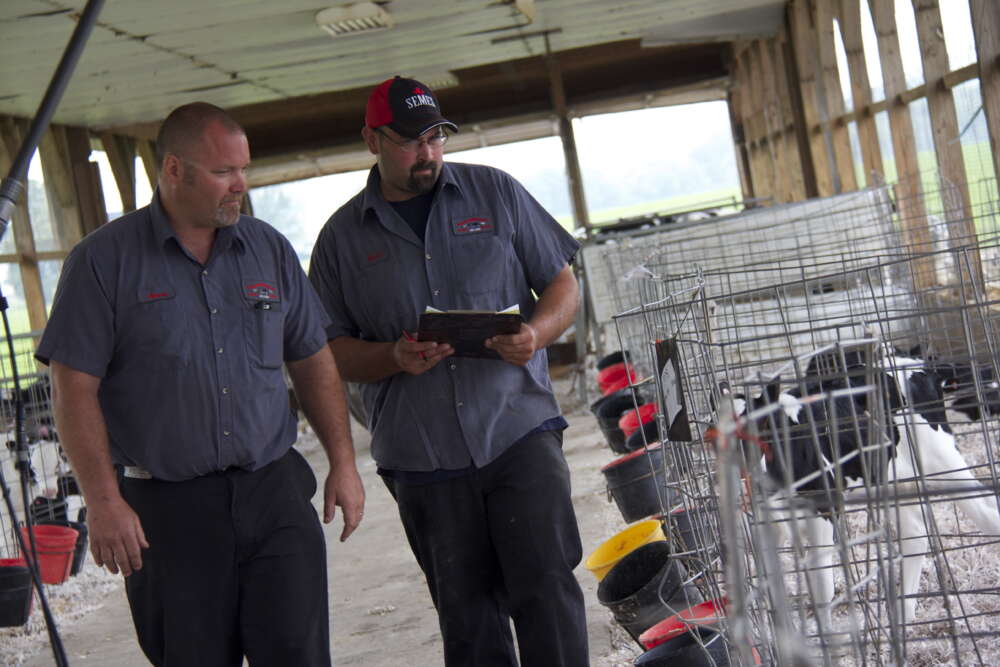
And while avian flu disrupts milk production, leading to an average loss of $504 USD per affected cow, cows with high Immunity+ breeding values in the U.S. experienced significantly fewer milk losses.
“Avian flu is costly,” Mallard says, noting that Canada has culled over 10 million birds in the last several years.
She believes culling animals in infected flocks, as officials did in the controversial B.C. ostrich case, is not sustainable. But HIR technology could prevent that from happening again, giving these animals strong and acquired immunity to become naturally resistant to pathogens over time.
And while this strain of avian flu has not yet been found in Canadian cows, Canadian producers can still protect them through this technology.
“If we think the border is going to stop avian flu from jumping to cattle in Canada, no way,” she says. “But our study shows: when this or other viruses come, those animals bred for better health genetics will be better prepared to deal with the disease.”
In other words, as vaccines are being developed on one front, Mallard’s technology works to create naturally resistant animals on another.
“It is a powerful, powerful technology, and it has proven itself time and again.”
Improving new species through HIR
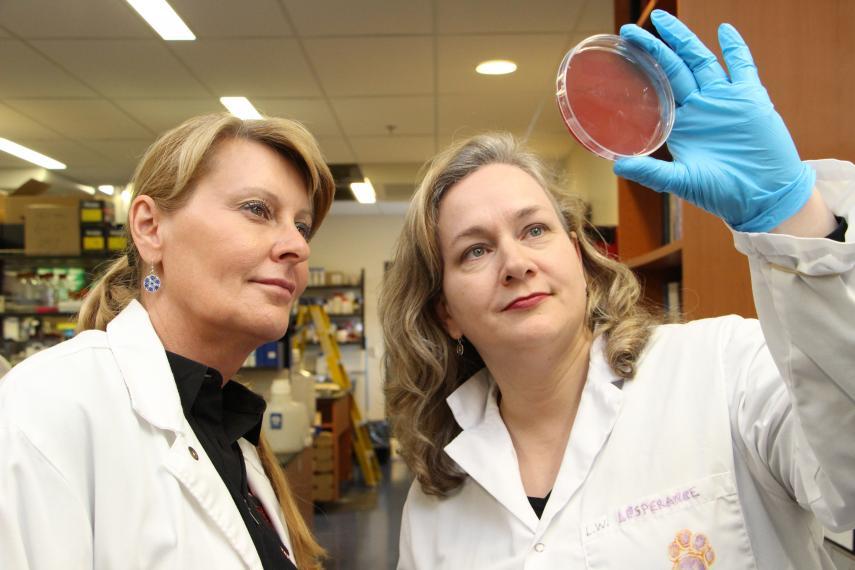
New research is underway to apply HIR technology to even more species: companion animals, sheep, turkeys and beef cattle.
Beef cattle transported over long distances are often at risk of contracting diseases such as shipping fever pneumonia. But Mallard is working with the Canadian Angus Association and Semex to gather data – asking which beef cows get sick and what clues in their ancestry may help.
Working with Hendrix Genetics, she is investigating that same potential in turkeys, tinkering with the best antigen tests to protect this species. More uncommon animals, including ostriches, may also be studied.
Award-winning research connects industry with academia
For this work, Mallard is the only Canadian to have won both the Governor General’s Award for Innovation and the NSERC Synergy Prize, some of Canada’s top research awards.
The networks formed at U of G took her research to the next level, she says. The Research Innovation Office, especially, helped form the early industry connections necessary to pursue the patent and protect its trade secrets.
“For a university professor to get a technology into the marketplace, they must have a really good business partner,” says Mallard. “I give so much kudos to Semex.”
She also credits her master’s supervisor Dr. Ted Burnside, one of the most influential figures in the evolution of animal improvement.
“When I was a student, Ted walked me over to Semex’s CEO, Dr. Moe Freeman, and said, ‘Okay Bonnie, tell them what you’re doing.’ We had a long chat, and at the end of the conversation, he reached inside his desk and pulled out a chequebook to fund this research.
“Today, I call that the speed of trust.”
This research has been funded over the years by the Ontario Agri-Food Innovation Alliance, a collaboration between the Government of Ontario and U of G, and conducted at the Ontario Dairy Research Centre, which is owned by Agricultural Research and Innovation Ontario Other support includes Ontario Genomics, NSERC, as well as industry partners such as Semex, Hendrix Genetics, Canadian Angus and Canadian Swine Breeding Companies.