
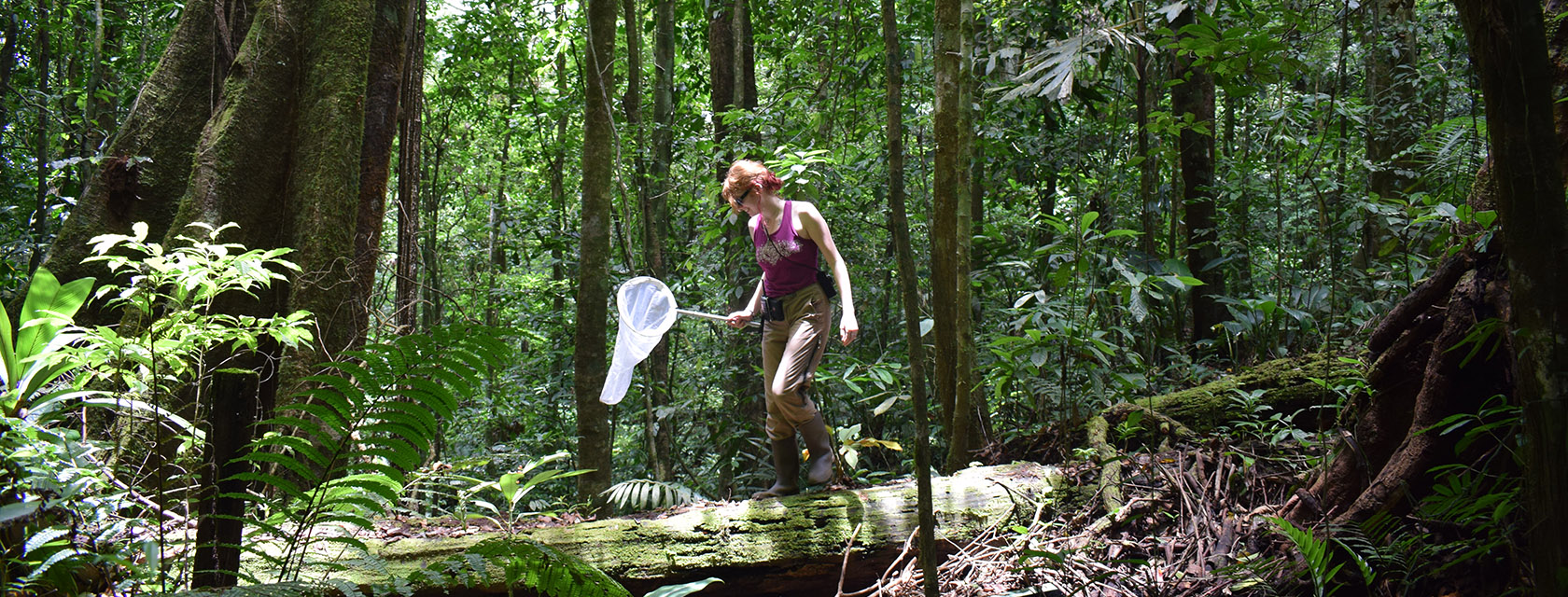
When Ava Augustine began exploring university programs, she was drawn to the environment and engineering disciplines, but it was a unique program at the University of Guelph that changed her perspective.
This June, Augustine will cross the convocation stage as part of the inaugural graduating cohort of the Bachelor of Indigenous Environmental Science and Practice (BIESP) program – the first undergraduate degree of its kind in Canada.
“The program appealed to me because of its foundation in learning with and for Indigenous Peoples,” says Augustine.
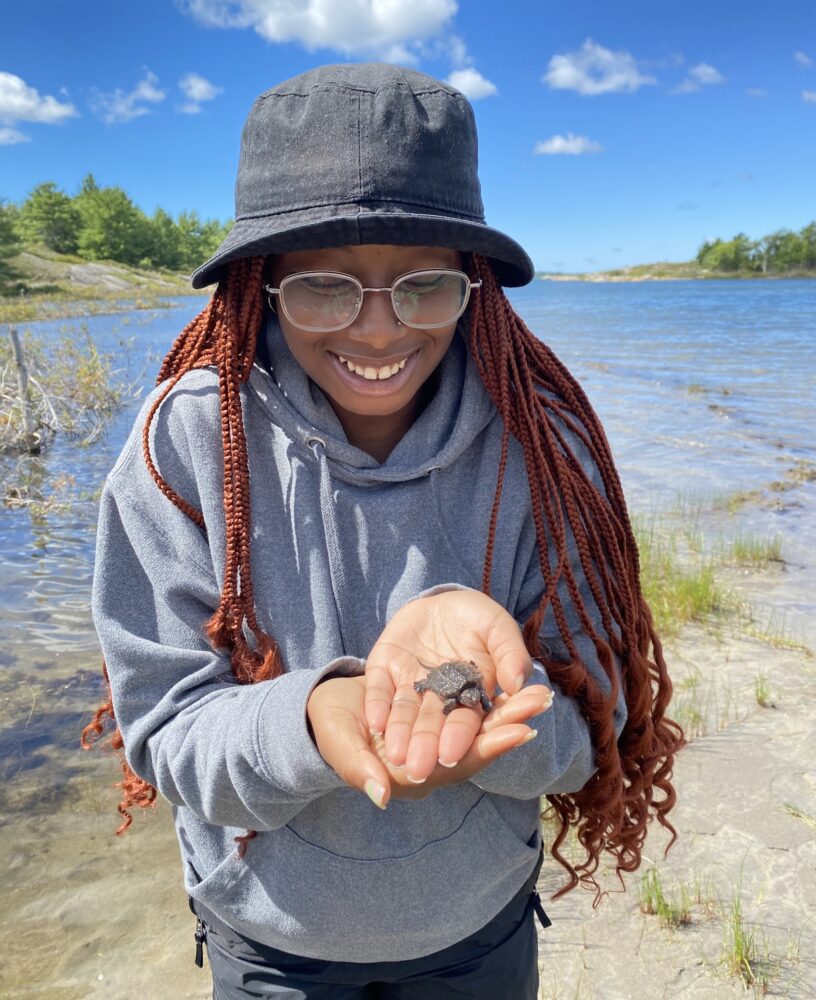
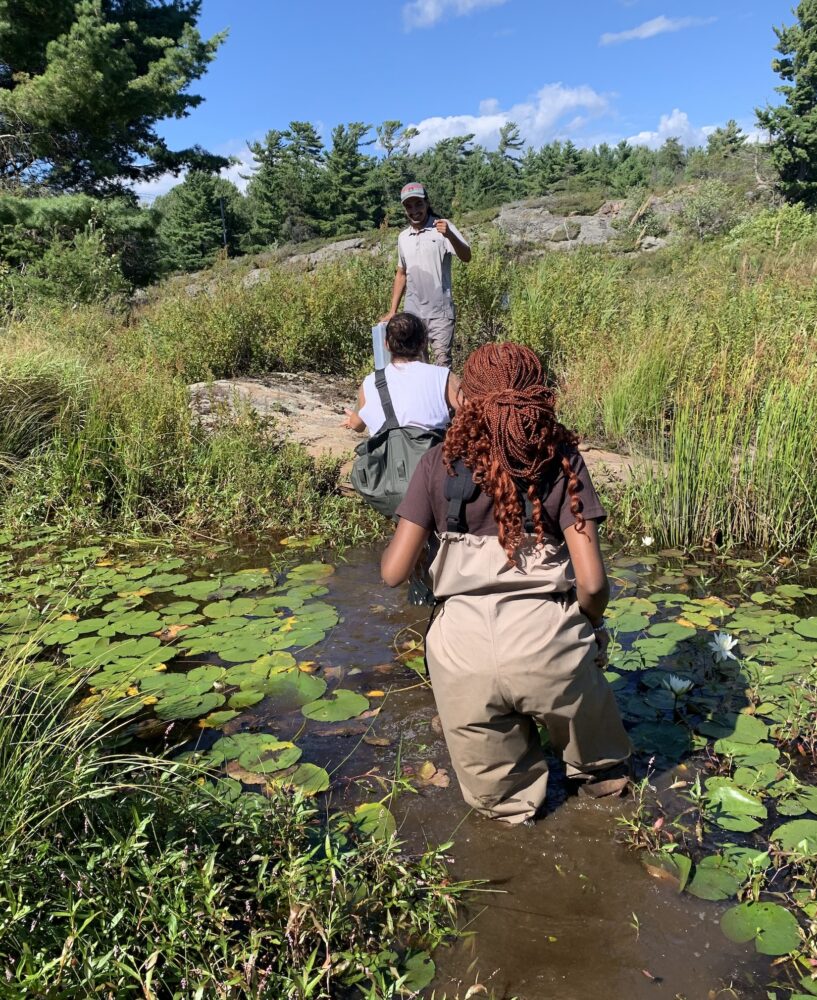
Sandreka Rowe took part in turtle conservation during a visit to Magnetawan First Nation in northern Ontario with the Department of Lands, Resources, and Environment.
The program braids together Western environmental science with Indigenous Knowledge Systems and land-based practices, preparing graduates with both the scientific expertise and cultural competency required to work with Indigenous communities.
“As a settler student, it is a privilege to be welcomed into learning with Indigenous communities and to build meaningful relationships,” says Augustine, who aspires to pursue a career in scientific communication and advocacy after graduation.
Through field courses in Killarney in northern Ontario, and Garden River Ketegaunseebee First Nation near Sault Ste. Marie, as well as international experiences in Costa Rica and Sweden, Augustine says she’s learned how environmental science directly impacts communities.
“The program is academically challenging, but grounded in hands-on, land-based learning that makes complex concepts come to life,” says Augustine.
Designed for both Indigenous and non-Indigenous learners
The program’s two-eyed seeing approach is a defining feature of the program, says Marah Laforge, an Anishinaabe BIESP graduate.
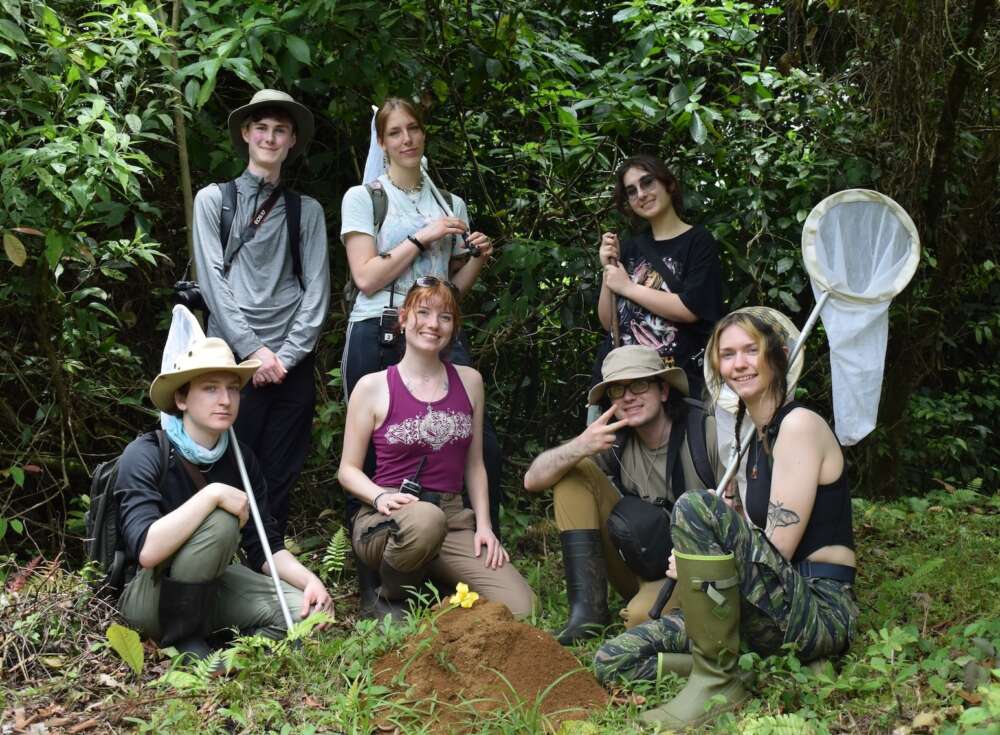
“The program allows students to study Indigenous science, led by Indigenous teachers, while also taking Western science courses,” says Laforge. “Connecting these perspectives is essential when working in the environmental field, because it involves working alongside Indigenous Peoples.”
A member of Timiskaming First Nation with mixed settler ancestry, Laforge is passionate about Indigenous science, protecting the environment and supporting Indigenous communities impacted by industrial contamination.
Her experience in the BIESP summer field course saw her learn directly from Indigenous communities, a hallmark of the unique program.
“We spent time with Shawanaga and Magnetawan First Nations, learning about their use of Indigenous practices for species protection,” says Laforge.
“We learned off the land, led by the experts of the land. This fed our own relationships with the waters as we canoed, took part in a ceremony and learned from the turtles.”
Laforge was accepted into U of G’s MSc in Geography program, under the supervision of Dr. Diana Lewis and the IndigenERA Lab, where she worked as an undergraduate student.
Through her graduate work, Laforge will support Indigenous-led community research focused on environmental health and justice while building meaningful relationships with communities.
“I’m looking forward to continuing my knowledge of geospatial tools, and statistical analysis to support Indigenous data sovereignty,” says Laforge.
A first-of-its-kind degree in Canada
Launched in 2022, the BIESP program addresses the growing calls for environmental professionals that can work across knowledge systems and understand Indigenous rights, governance and environmental stewardship.
Through courses in ecology, biology, chemistry and environmental systems with Indigenous history, culture, governance and community-engaged learning, graduates are entering the workforce with an interdisciplinary lens that bridges science, relationships and responsibility to the land.
For Augustine, that’s what makes the program so impactful.
“The students in BIESP are truly a family,” she says. “It’s inspiring to see students come together to grow and uplift one another.”
Discover more about the inspiring journeys of our graduates and how the University of Guelph shaped their paths