
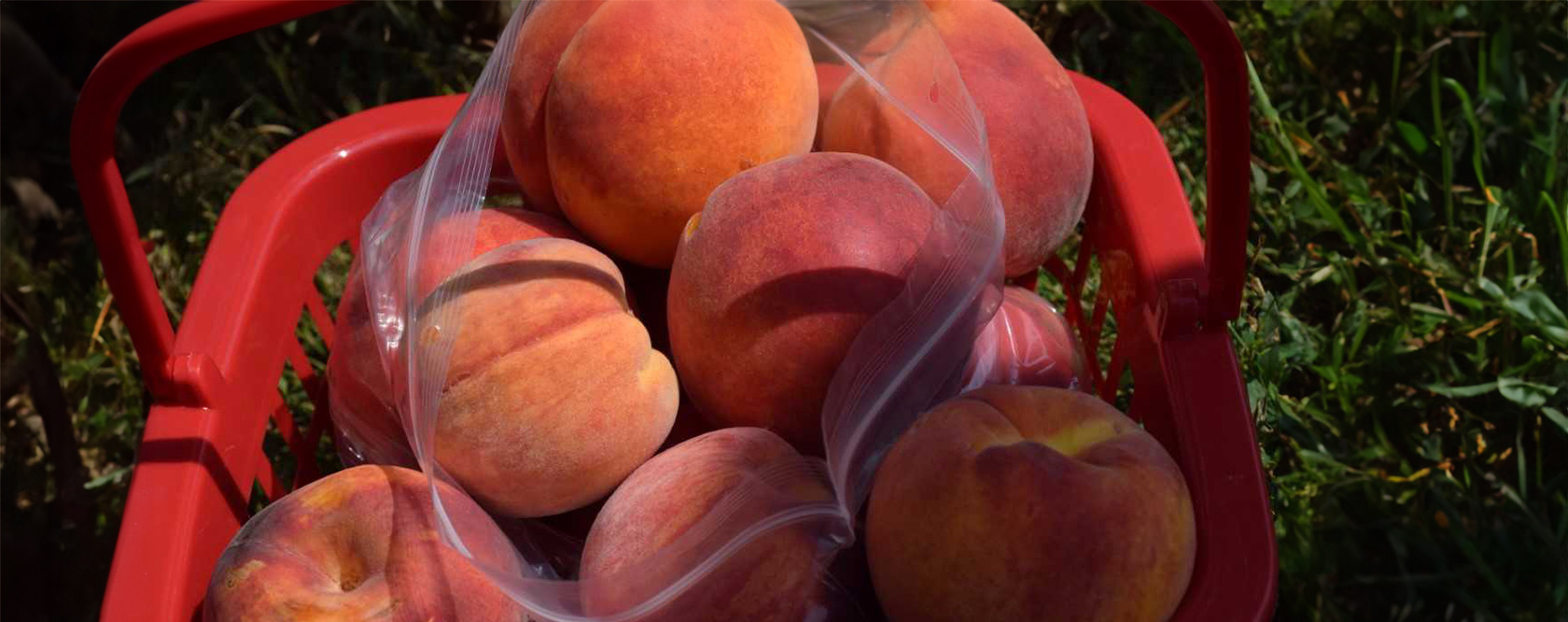
Peaches, plums and cherries might be plentiful in grocery stores right now, but that might not be the case next year, warns a University of Guelph plant biologist specializing in tender fruits.
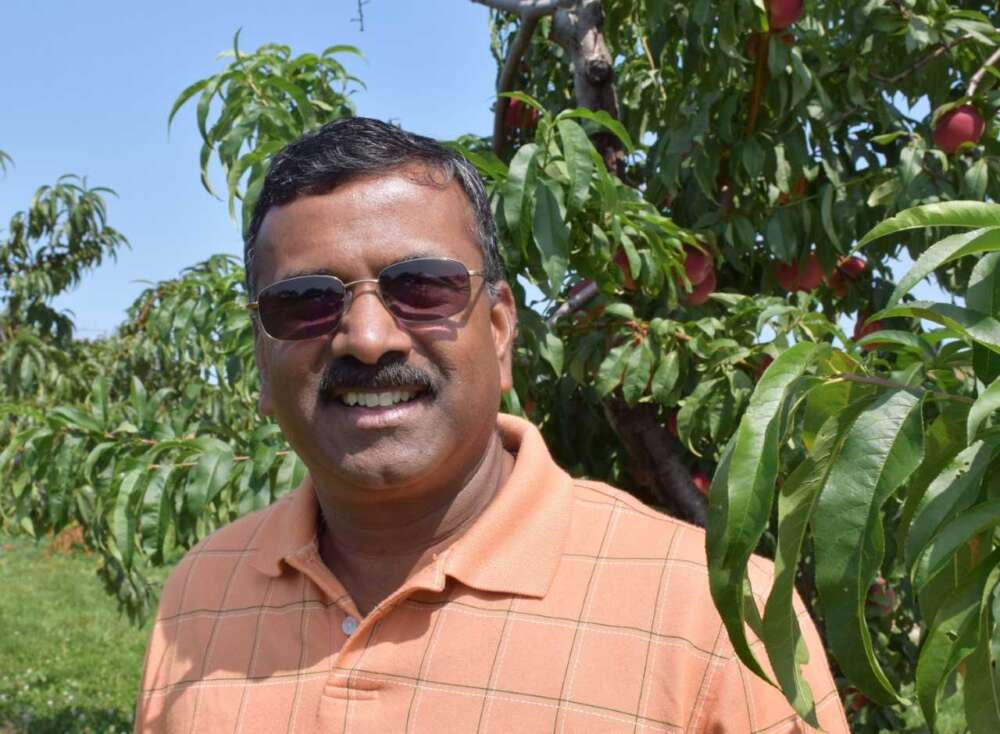
Dr. Jayasankar (Jay) Subramanian is a professor of tree fruit breeding and biotechnology in the Department of Plant Agriculture who develops new varieties of tender fruits to optimize them for Ontario growing conditions.
He says peach and plum trees are sensitive to overwatering and at high risk of dying if their roots are waterlogged for long.
“Fruit trees are not deep rooted, as they are grafted on a rootstock,” he explains. “They mostly evolved in elevated and hilly regions where the landscape does not allow waterlogging, and hence, genetically their roots are very sensitive to excess water.”
More than 30 centimetres of rain descended on the Niagara region earlier this month, causing devastating flooding in many farms, orchards and vineyards.
Given that the Niagara Peninsula produces around 80% of all peaches sold in Canada, extensive tree loss is almost certainly going to impact supply, Subramanian says.
“The widespread feeling is that due to the anticipated loss of trees, there will be a decline in production as soon as next year,” he says.
“Almost certainly, we will see prices higher in the next year.”
What’s more, Subramanian anticipates it will take at least seven years of normal weather to bounce back.
“One of my major worries is the availability of trees to plant from next year,” he says. “Some of the nurseries are flooded, and with the demands for fresh trees expect to rise, there will be lack of grafts available.”
The peach breeding program is supported, in part, by the Ontario Agri-Food Innovation Alliance, a collaboration between the Government of Ontario and U of G.
Subramanian’s work was recently featured in The Narwhal. He is available for interviews.
Contact:
Dr. Jayasankar (Jay) Subramanian
jsubrama@uoguelph.ca