
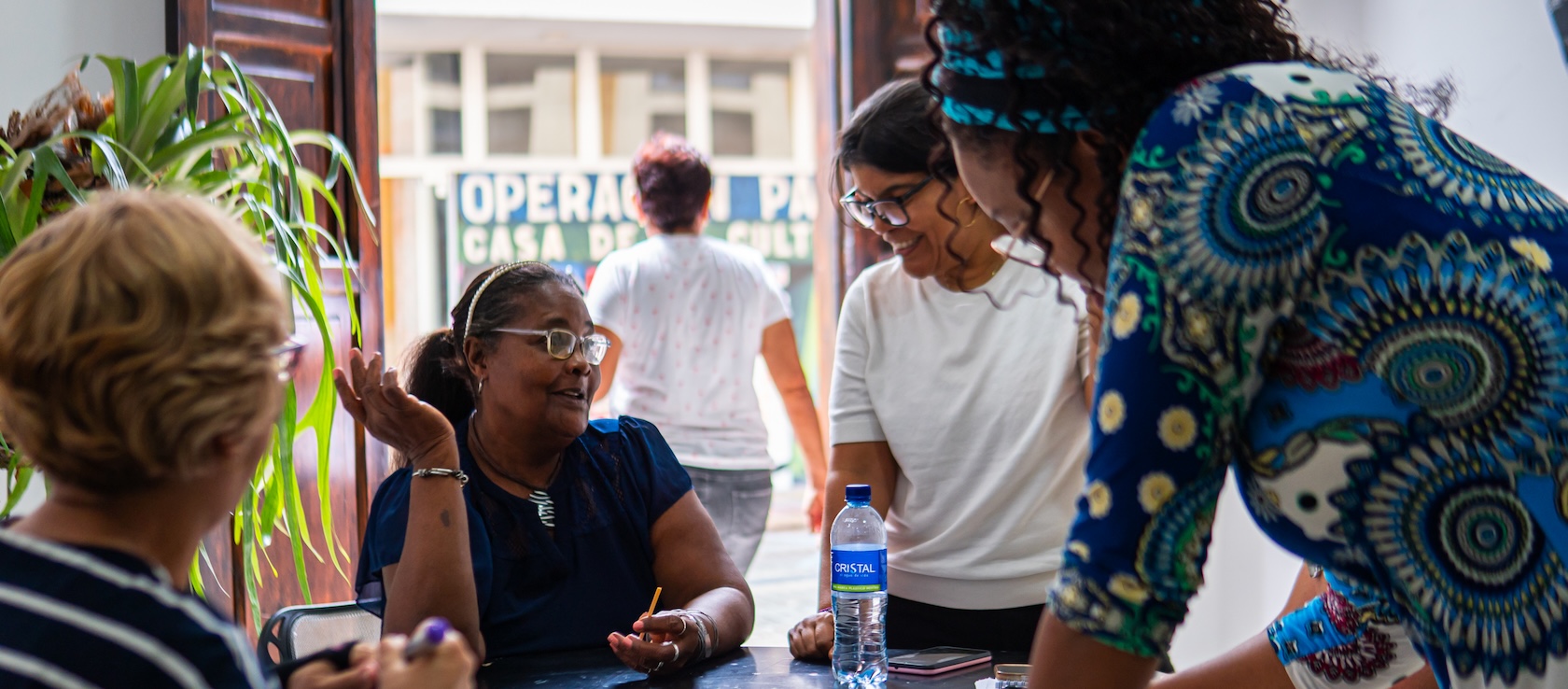
Lessons from farmer-led research in Cuba support better inclusion in academia
Like many STEM disciplines, the agricultural sciences remain male-dominated, from faculty to students to the curriculum.
To advance gender equity, University of Guelph researchers have been looking to the Global South as part of a unique four-year project using knowledge exchange and farmer-led research to shift the dynamic at the institutional level.
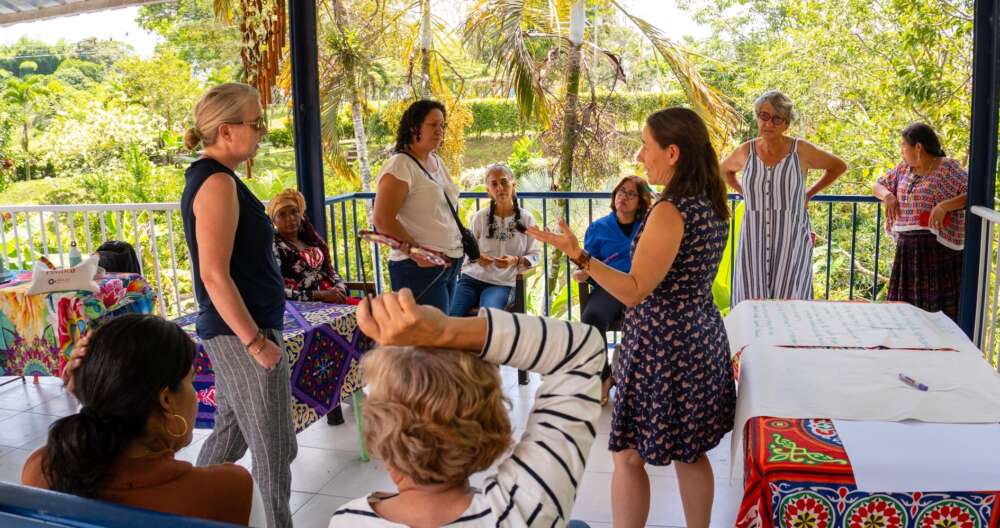
“Women often bring a different lens to agricultural science. When we diversify perspectives, we have better, more relevant research,” says Dr. Erin Nelson, lead researcher and professor in the College of Social and Applied Human Sciences.
In Canada, agricultural research has primarily been driven by universities, government and industry, and generally, by men. However, Cuba is well known for supporting gender inclusivity in agricultural research at the farm level, Nelson explains.
“We looked to their leadership in this area to take this work to the institutional level to create inclusion in agricultural academia.”
What Canada can learn from Cuba
Taking a participatory action research approach created opportunities to learn directly from Cuban growers. “Here in Canada, we sometimes underestimate how much we can learn from the Global South,” Nelson says. “This project presented an important opportunity to do that.”
The goal has been to develop skills, programs, policies and structures that make research in the agricultural sciences more inclusive and gender sensitive.
The team created a toolkit to assist institutions in systemic change that includes a gender-based violence protocol and a methodology for how to conduct gender analysis across projects or departments.
They created a curriculum to help integrate gender into agricultural education programs. It explores such topics as the relationship between seeds and gender and the role of women in food security and environmental sciences.
Gender equity requires cultural change, international solidarity
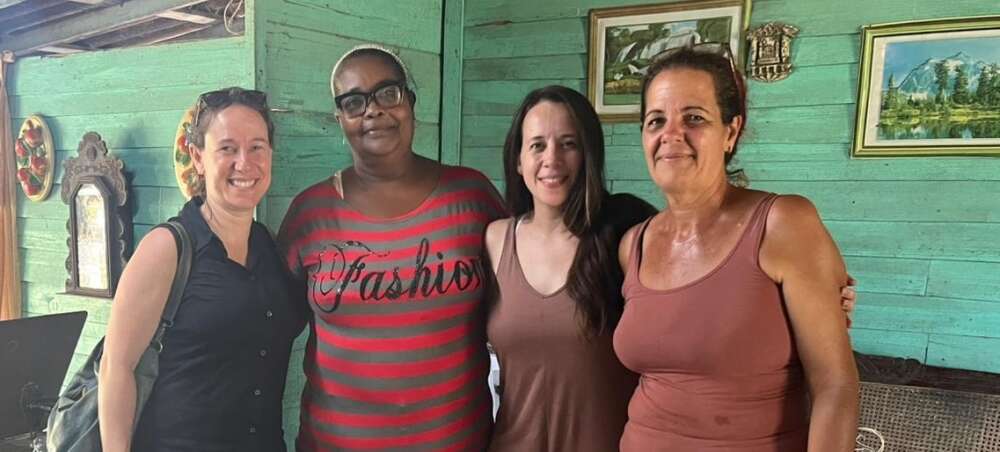
Nelson’s work in the development of sustainable food systems in Canada and Latin America takes a community-engaged approach focusing on agroecology, where science and practice blend with social concepts.
This project built on Nelson’s relationship with the National Institute of Agricultural Sciences in Cuba. The organization’s longstanding work to promote gender equity in farmer-led research inspired the project.
“Cuba was the first country to eliminate disparities between women and men in education,” Ruiz Cuartas says. “Women have unique skills, talents, perspectives to offer. This project is about lifting that up.”
Evidence shows that when it comes to plant breeding, women think about factors that pertain to household food security, ecological sustainability and resilience. Men tend to focus on yields.
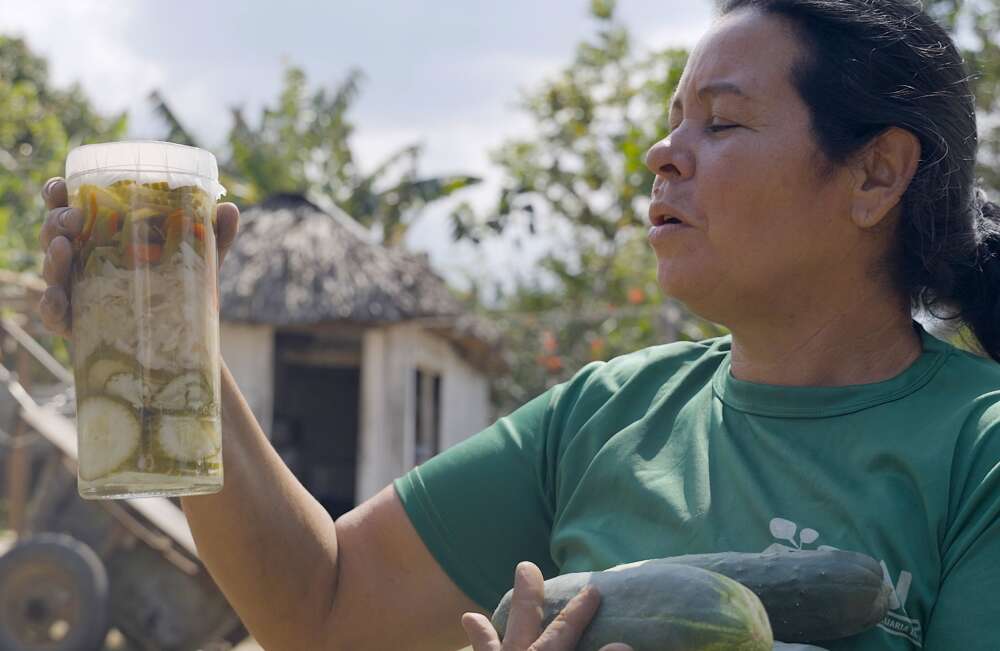
Those differing perspectives make their way from the farm to the highest levels of leadership, informing who is deemed qualified for those roles, what priorities are considered in policymaking and what shape education takes.
The project has led to 17 agricultural science students from the participating institutions including gender issues in their thesis research, an increase from zero over the past 10 years. That kind of training is making change possible
Gender equity is about cultural change, Nelson says. That takes time, and fostering international solidarity around gender equity, ecological farming and agricultural research is imperative.
One of the hallmarks of the project is a documentary that will screen at 4:30pm on March 12 at U of G. Cubao is Theirs features the stories of four female Cuban farmers whose participation in the research has been empowering and made them leaders in their communities.
There are plans for further networking events to bring Cuban and Canadian farmers together and present the project’s learnings to audiences outside the academic community.
“A lot of seeds have been planted for the future,” Nelson says.
This research was funded by the International Development Research Centre.