
University of Guelph recognizes outstanding faculty for research, training and knowledge mobilization
Eight University of Guelph researchers exploring subjects from antimicrobial resistance to youth mental health and the environmental legacy of war have received the 2026 Research Excellence Awards.
The awards, valued at $5,000 each and sponsored by the Office of Research and Office of the Provost, recognize newly tenured faculty members for their research, training and knowledge mobilization achievements while elevating their profiles within the broader research community.
“As a research-intensive institution, research excellence is at the fore of our mission,” says Dr. Mazyar Fallah, vice-president, research and innovation. “The University of Guelph is proud to recognize these eight exceptional faculty members who are expanding the frontiers of knowledge across disciplines and propelling that knowledge into action that improves lives.”
College of Arts
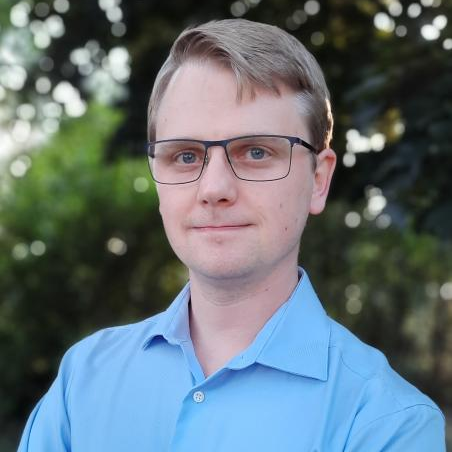
Dr. Alex Souchen, Department of History, is a leading expert in environmental and Canadian military history. His research focuses on the production of chemicals and explosives during the Second World War and their wider impact on communities, environments and people connected to Canada’s munitions industry. He has written extensively about munitions disposal, unexploded ordnance (bombs, land mines and other weapons that remain dangerous) and contamination from military activities.
College of Biological Science
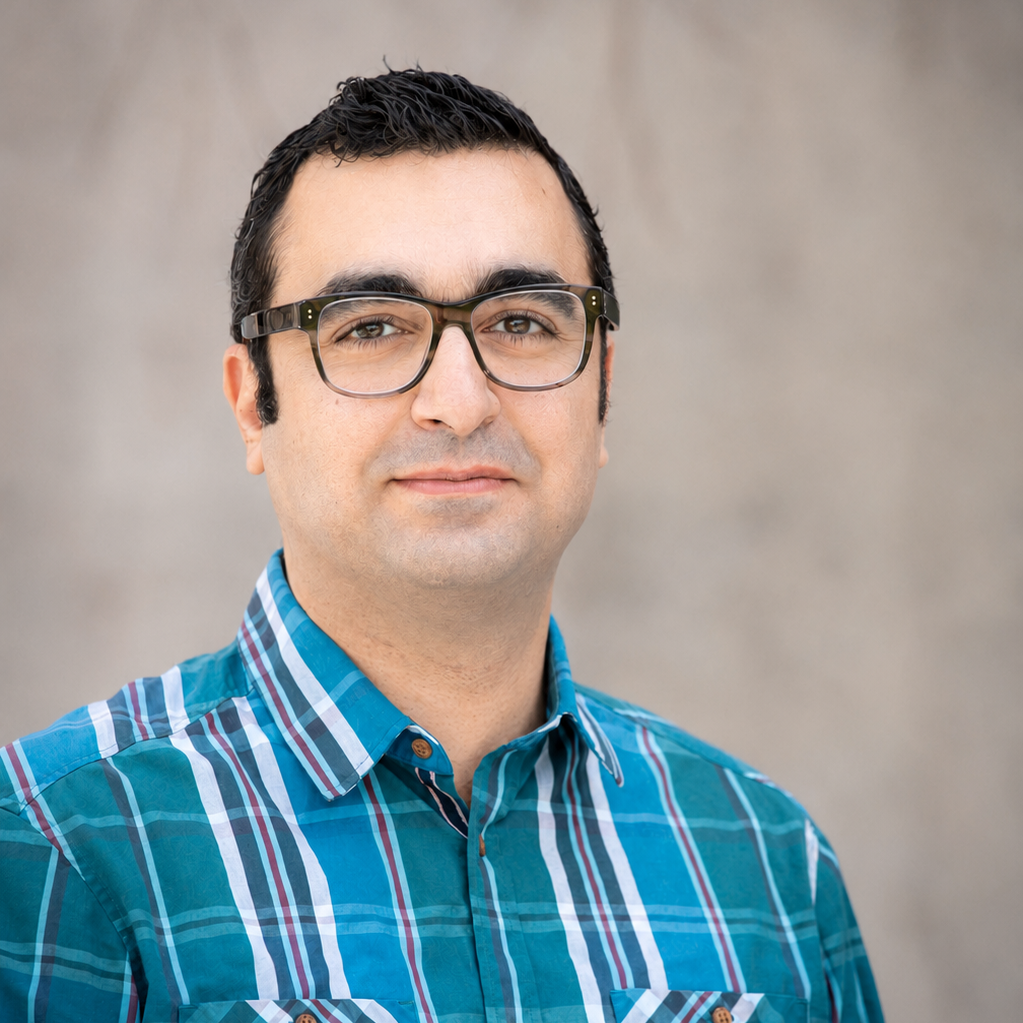
Dr. Siavash Vahidi, Department of Molecular and Cellular Biology, is a leading scientist in intracellular protein degradation, the process by which cells identify and remove unwanted or damaged proteins. Through his research program, he investigates the molecular mechanisms that control this process and applies these discoveries to advance understanding of infectious diseases, cancer and other conditions of biological and clinical importance, including tuberculosis and acute myeloid leukemia.
College of Computational, Mathematical and Physical Sciences

Dr. Derek O’Flaherty, Department of Chemistry, is a leading researcher in nucleic acid chemistry and origins-of-life sciences. Through his research program, he develops new methods for synthesizing and chemically modifying RNA and DNA, investigates how genetic molecules may have replicated before the emergence of enzymes, and uses these discoveries to advance biotechnology, molecular biology and our understanding of the chemical origins of life.
College of Engineering
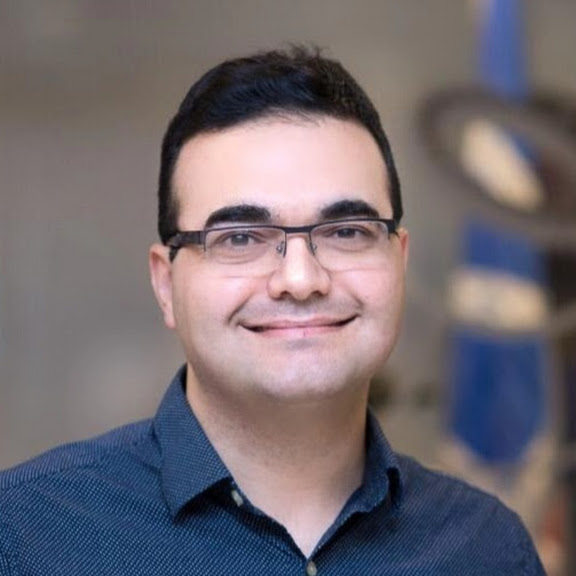
Dr. Mohammad Al Janaideh, Departments of Electrical and Computer Engineering and Interdisciplinary Engineering, is an internationally recognized leader in precision engineering and intelligent control systems. Through his research program, he develops advanced technologies that improve the accuracy and performance of sophisticated machines and optical systems, enabling innovations in semiconductor manufacturing, advanced imaging, robotics and other next-generation technologies. Recipient of the 2025 Fraunhofer-Bessel Research Award, his work has earned international recognition for its scientific and industrial impact.
College of Social and Applied Human Sciences

Dr. Stephanie Craig, Department of Psychology, is a leading researcher in child and adolescent mental health. Through her research program, she investigates how callous-unemotional traits and related mental health and behavioural difficulties develop across childhood and adolescence, generating insights that inform early identification, prevention and intervention strategies to improve outcomes for young people and their families.
Gordon S. Lang School of Business and Economics

Dr. Sumitra Auschaitrakul, Department of Marketing and Consumer Studies, is a leading expert in consumer behaviour and decision-making. Through her research program, she investigates how product design, branding, digital environments and other marketplace cues influence consumer perceptions and choices, generating insights that help businesses develop more effective and responsible products while promoting consumer well-being in an increasingly digital world.
Ontario Agricultural College
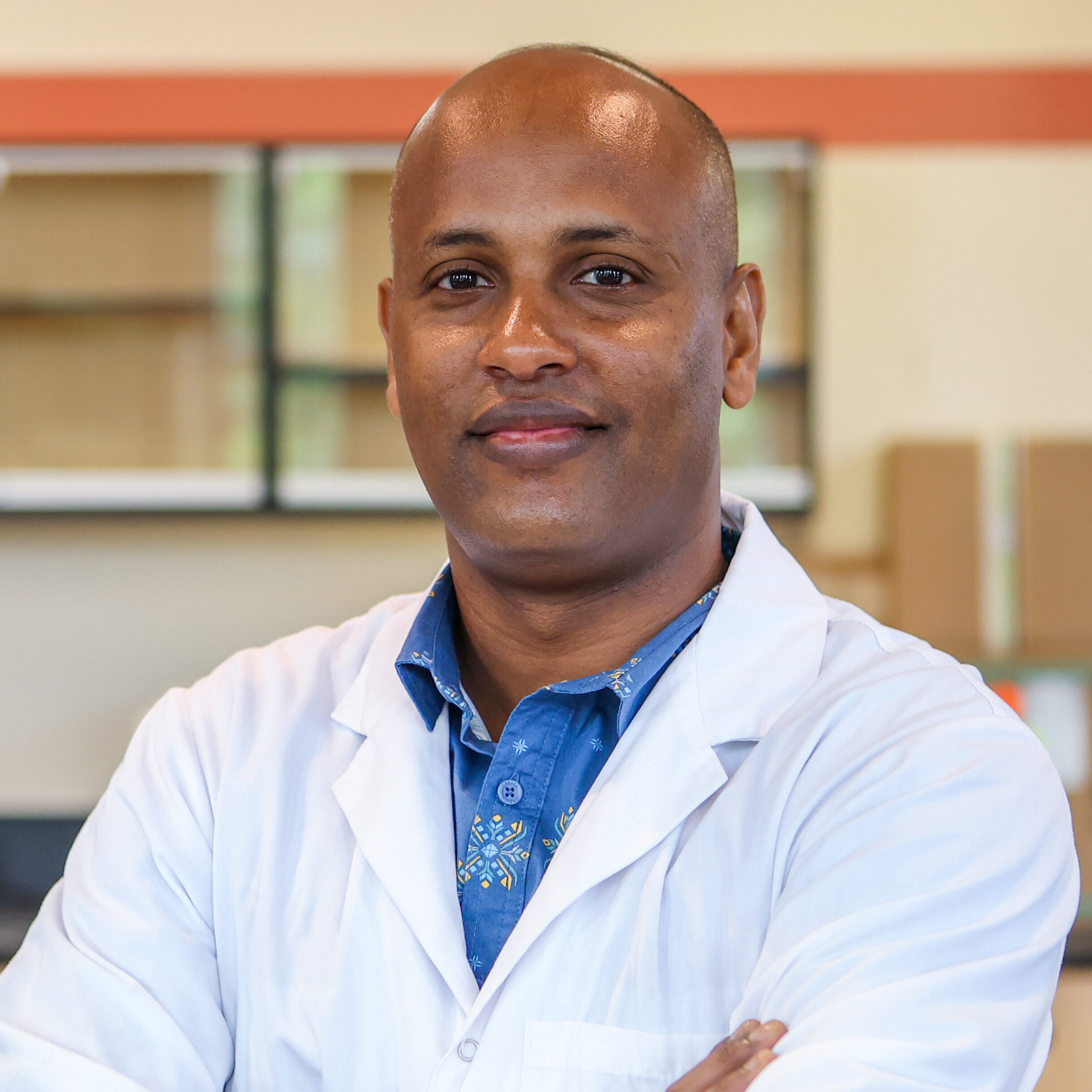
A professor in the Department of Food Science, Dr. Biniam Kebede investigates how food processing shapes the structure and quality of food, using this knowledge to reverse-engineer healthier, more sustainable foods without compromising flavour. His work combines processing innovations, such as fermentation and non-thermal technologies, with data-driven approaches to tackle real challenges facing the sector: reducing waste, enhancing nutrition, unlocking greater value from agricultural resources and accelerating the pace of food innovation.
Ontario Veterinary College
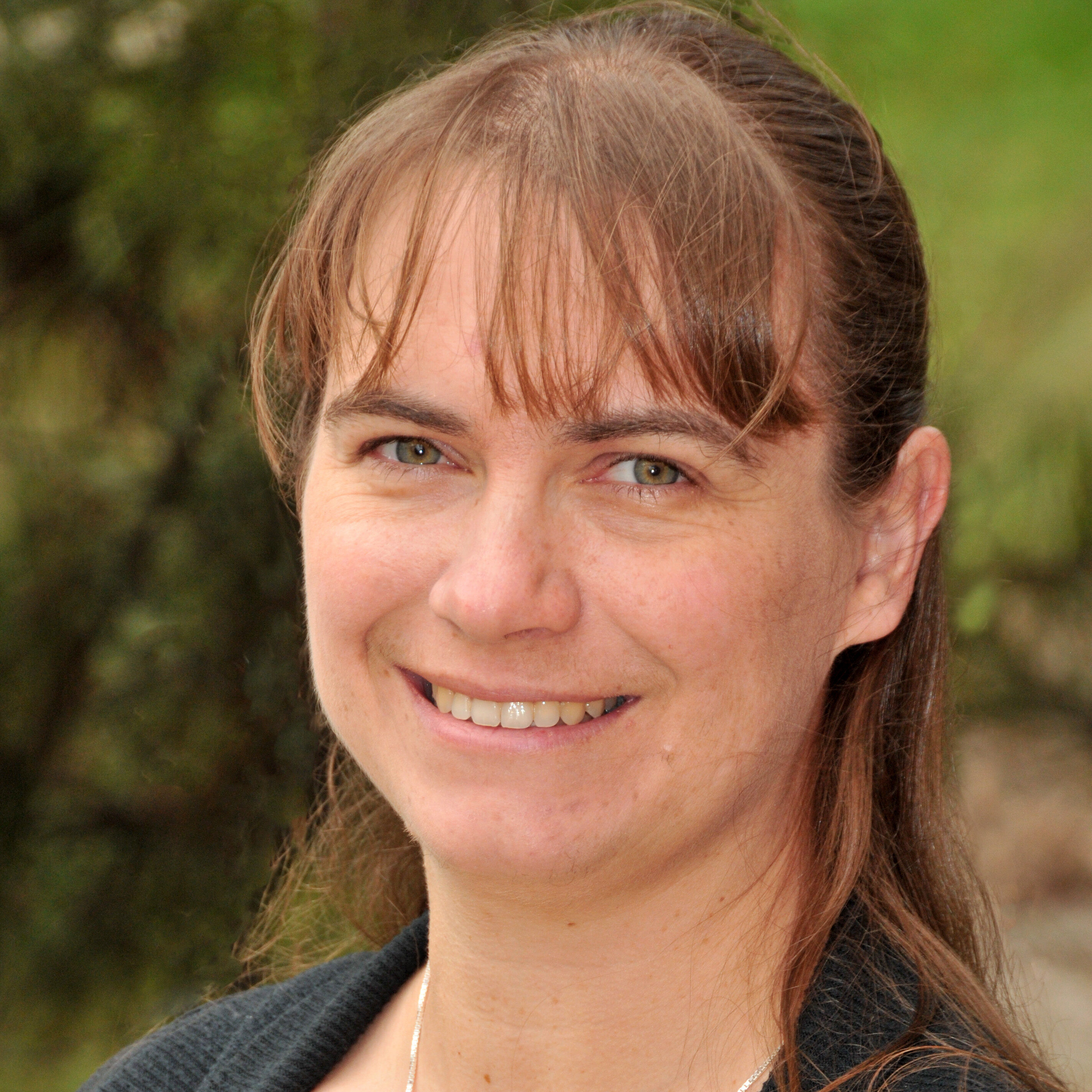
Dr. Nicole Ricker, Department of Pathobiology, is an expert in antimicrobial resistance and bacterial genetics. Through her research program, she studies how disease-causing and drug-resistant bacteria evolve and spread, using advanced data and biological tools to improve disease surveillance, inform industry practices and public policy, and support healthier animals, safer food systems and better health outcomes.