
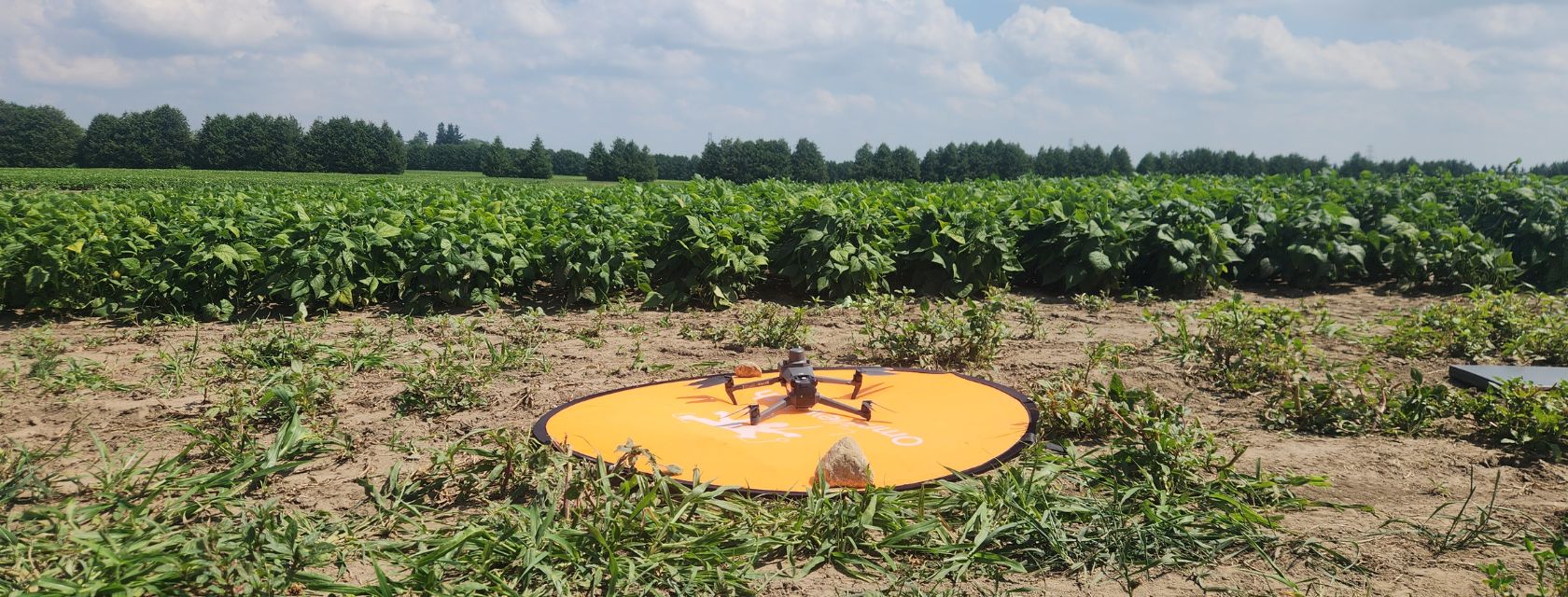
Smart agriculture will play a pivotal role in helping farmers navigate a difficult growing season, a University of Guelph crop researcher says.
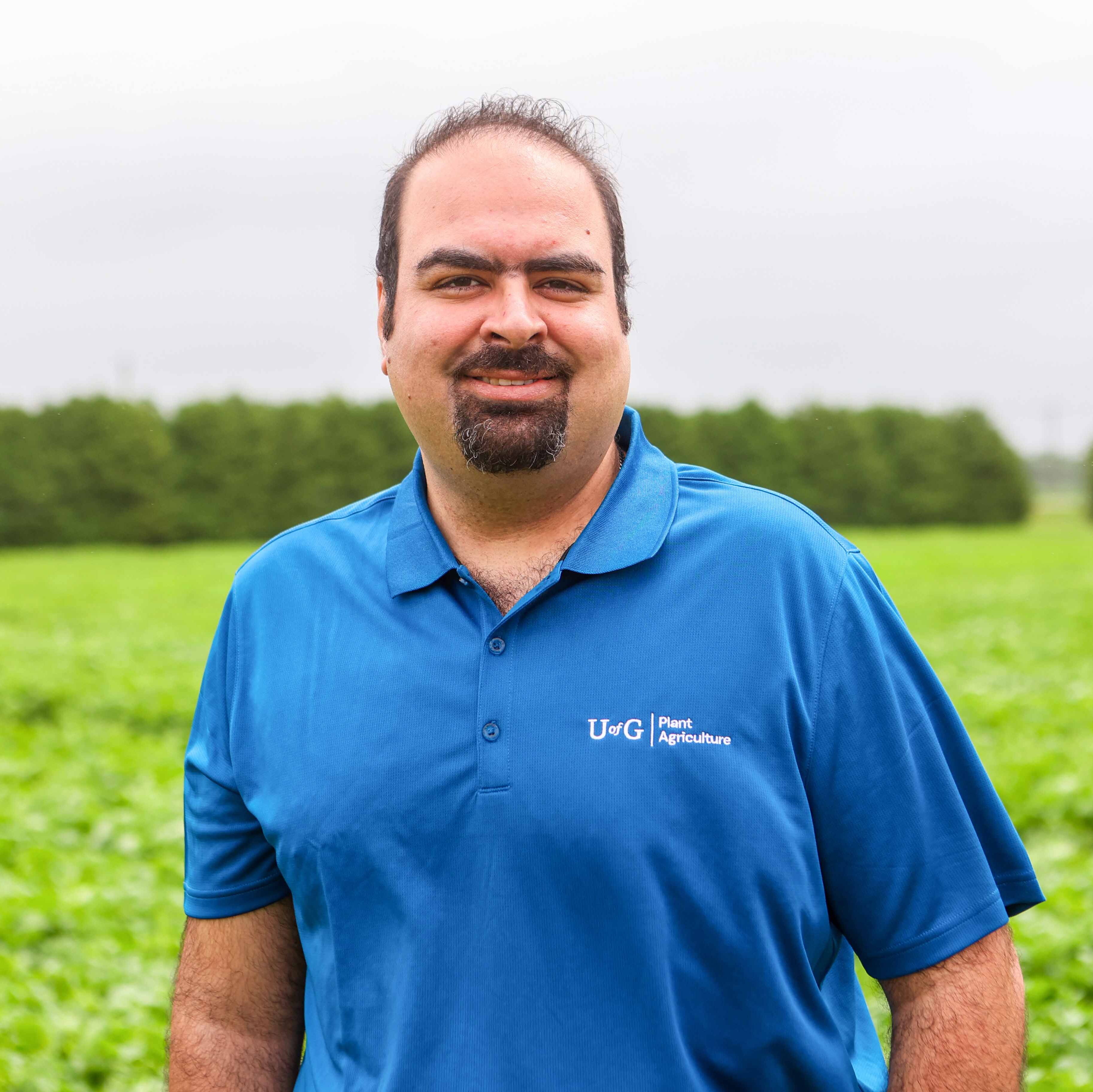
Dr. Mohsen Yoosefzadeh Najafabadi, a dry bean breeder and computational biologist in the Ontario Agricultural College, says drones have become increasingly common in Canadian farming as technology evolves and improves.
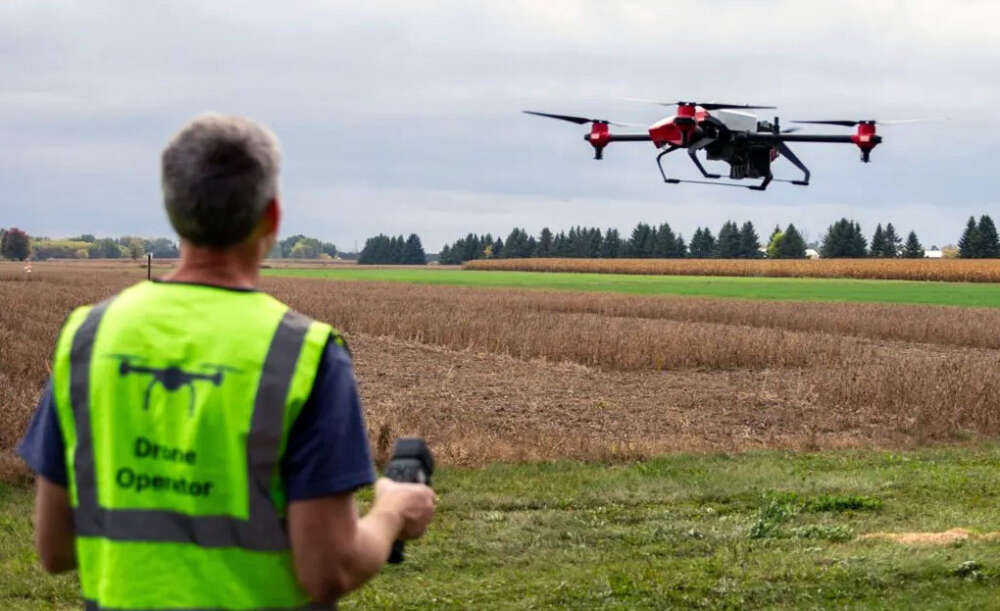
“Ten years ago, advanced computational tools and drones were mostly experimental and used by universities or specialized consultants,” he says. “Today, many farmers either own drones themselves or work with service providers who use drones to collect field-level data.”
Technology can help farmers with tough decisions like knowing when to plant — a challenge this year for farmers in Ontario facing heavy spring rains. Yoosefzadeh Najafabadi says technology can help farmers navigate that uncertainty to make informed decisions.
“In practical terms, technology helps farmers answer key questions at the right time,” he says. “Is the field ready to plant? Are certain areas too wet or compacted? Is early crop growth uniform? These insights let farmers respond quickly and reduce risks associated with unpredictable weather.”
The biggest advantage of drones is reducing time farmers spend physically walking through fields.
“A major benefit is efficiency,” he says. “Drones can survey hundreds of acres and AI can process vast amounts of data quickly, reducing labour demands and helping farmers make faster decisions.”
Monitoring plant health
Yoosefzadeh Najafabadi sees this in his own work as a bean breeding researcher, sending drones to collect high-resolution images and using AI to analyze data from his fields.
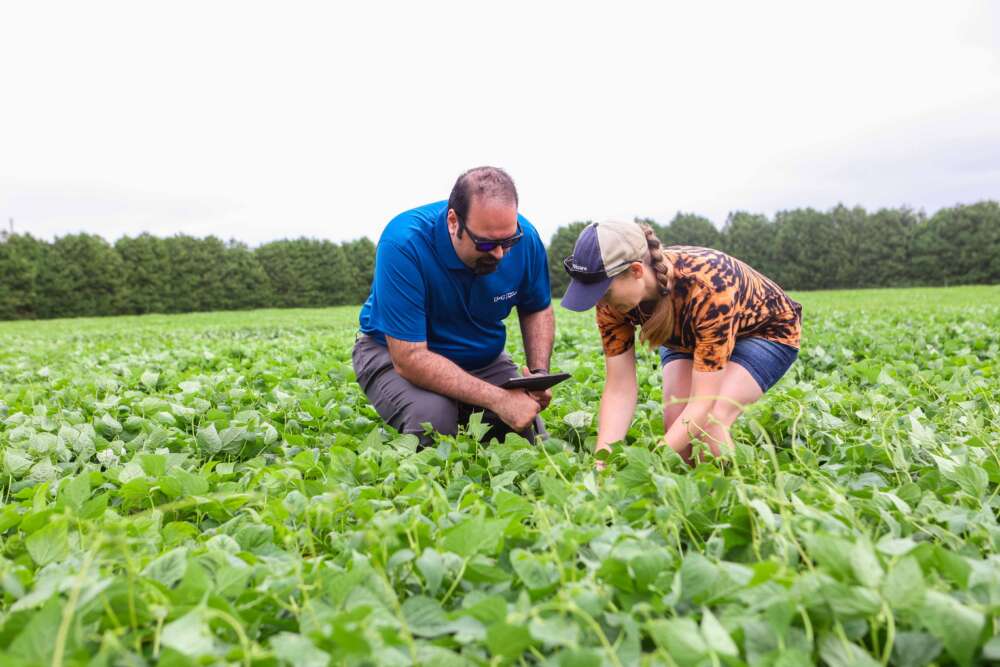
“These images allow us to measure plant growth, detect early disease symptoms, estimate canopy coverage and evaluate stress responses,” he says.
The smart technology allows them to monitor for disease and evaluate how beans are responding to environmental stressors. The images can also help producers track and assess plant deficiencies, maturity and overall plant health.
While technology is becoming more common in agriculture, it’s not without its drawbacks.
“Weather can limit drone flights,” Yoosefzadeh Najafabadi says. “Strong winds or rain can delay data collection. There is also a learning curve. Collecting images is only the first step; analyzing the data requires software tools and sometimes technical expertise. Regulations around drone flights must be followed, which can require certification and planning.”
Yoosefzadeh Najafabadi adds it’s important to understand that technologies like drones and AI aren’t replacing farmers.
“Instead, they’re empowering them with better information and stronger decision-making tools.”
At the end of the day, he says, it’s about producing good food with fewer resources, while protecting the environment and supporting sustainable systems.
“We are entering a new era where agriculture is becoming smarter, more precise and more resilient.”
Yoosefzadeh Najafabadi is available for interviews.
Contact:
Dr. Mohsen Yoosefzadeh Najafabadi
myoosefz@uoguelph.ca