

University of Guelph researchers have teamed up with community members to make healthy eating more accessible.
Dr. Jess Haines, professor in the Department of Family Relations and Applied Nutrition, College of Social and Applied Human Sciences and Dr. Ashleigh Domingo, professor in the Department of Human Health Sciences, College of Biological Science, have received $1,391,542 from the Public Health Agency of Canada (PHAC) Healthy Canadians and Communities Fund (HCCF) to launch the next phase of the Food Uniting Neighbours (f.u.n.) project.
“We are so grateful for this continued funding from PHAC which allows us to work directly with our local communities to identify and reduce barriers to healthy eating,” says Haines.
The funding was announced today at The Shelldale Centre – one of the project’s community partner sites – by Guelph MP Dominique O’Rourke.
“This funding for the University of Guelph and the f.u.n. program is the best possible type of academic and community collaboration with undeniable results for individuals and for the broader community,” says O’Rourke. “Good health is foundational to all other aspects of our well-being in the community, at home and at work. When community partners build bridges with people in the community to live a healthier life, we are not only improving individual health, belonging and well-being, we are also reducing health-care costs, boosting productivity and building stronger communities.”
“The work that Drs. Haines and Domingo are doing with community members is exactly the kind of collaboration we strive for at U of G,” says Dr. Shayan Sharif, interim vice-president (research and innovation). “We recognize how critical these partnerships are for creating and mobilizing research knowledge, and for building healthier communities. We thank the federal government for supporting our researchers as they work to improve life for people in Guelph and surrounding areas.”


Improving community access to healthy foods
Food Uniting Neighbours is a multi-phase, community-engaged research project that promotes healthy eating by increasing access to nutritious, affordable and culturally relevant foods.
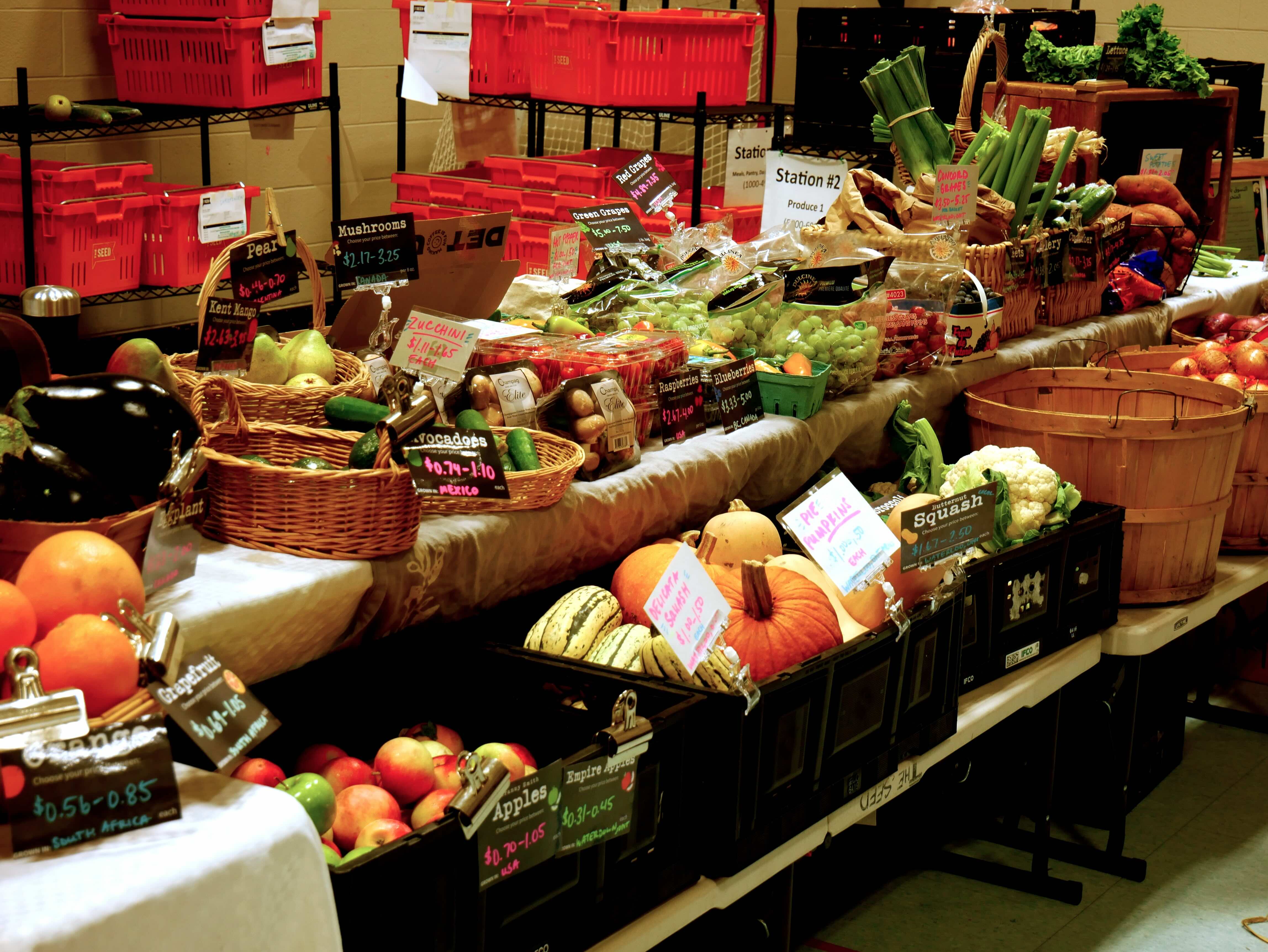
This project phase builds on the previous design phase in which 13 community advisors (residents with diverse lived experiences) worked with researchers and community partners to co-design and pilot intervention strategies for improving food access in Guelph’s Onward Willow neighbourhood – home to many newcomers and people with lower incomes.
“What makes this project so important is that we asked community members what they need instead of making assumptions,” says Zera Koutchieva, community advisor and Onward Willow resident. “We did focus groups with almost 90 people and spoke with as many residents as possible about ways to improve food security in our neighbourhood.”
Of the pilot strategies tested, four stood out as reaching the highest number of community members and having the largest impact on food access: transportation support, cooking skills workshops, weekly market-style social events (f.u.n. Fridays) and portable community gardens.
In this next phase, the team will implement and evaluate these four most impactful interventions in Onward Willow and expand the model to the Centre Wellington township.
Expanding the co-design model to other communities
Building on the success of the Onward Willow model, the team will recruit community advisors in Centre Wellington to co-design and pilot intervention strategies for this region. Onward Willow community advisors will help mentor and train this next group based on their experiences.
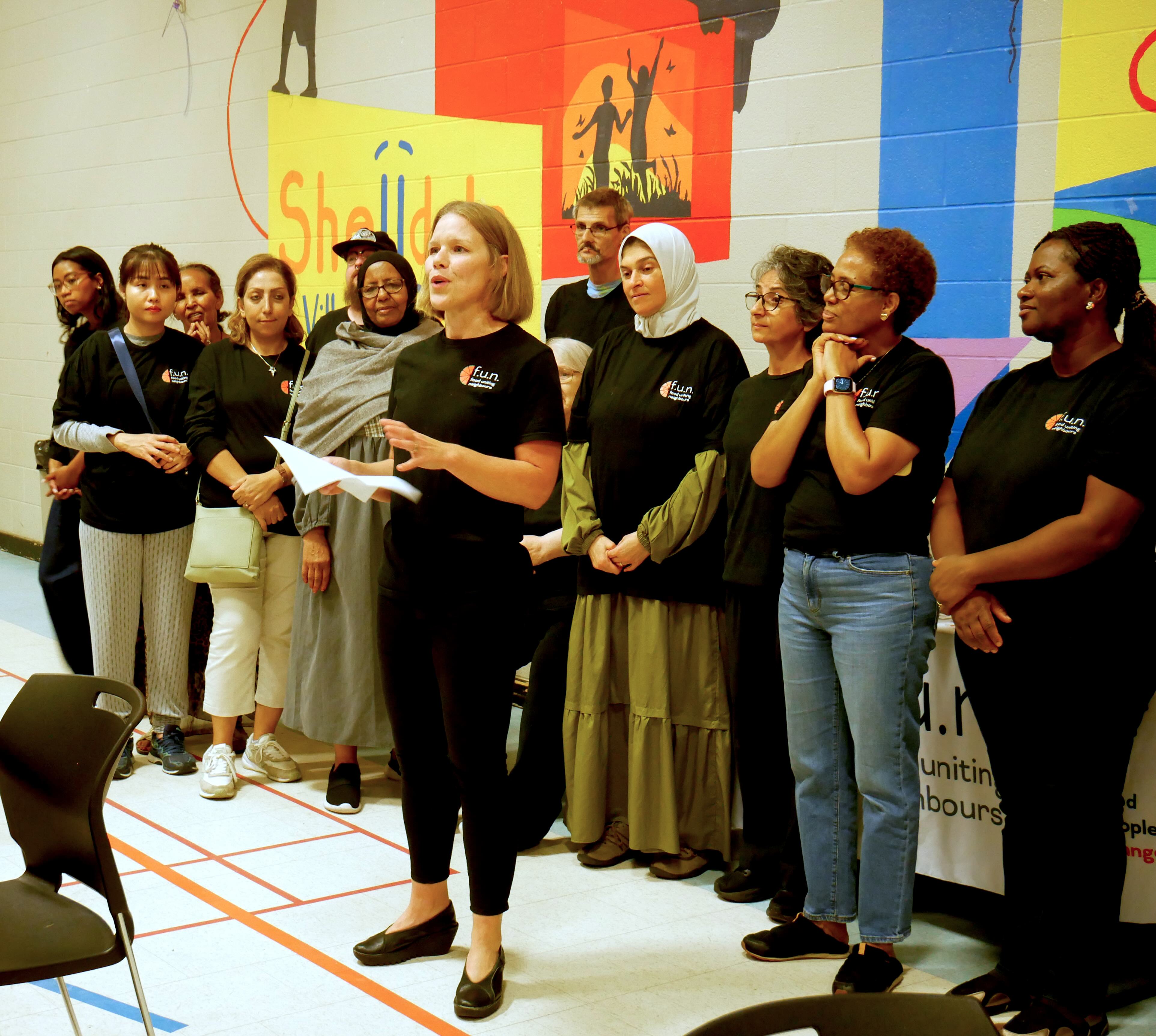
“We’re excited to see what the community advisors in Centre Wellington come up with,” says Haines. “Some of the barriers to accessing healthy food might be similar, but the solutions needed may be different. It depends on what we hear from the community.”
Haines and Domingo emphasize the value of co-designing and how it brings a variety of strengths to the table.
“As the project researchers, our strengths are securing resources and evaluating the solutions,” says Domingo. “Our strength isn’t knowing the community, it’s not knowing how to implement things or knowing what people need in the first place. That’s what the community advisors bring.”
The approach also allows members of the project team to learn from each other as they work towards a shared goal.
“The learning aspect has been one of my favourite parts,” says Sherri Cox, community advisor and Onward Willow resident. “Not only do we learn from the University and our partners, but we get to meet new people in our neighbourhood and learn about what they need and how we can help them.”
Koutchieva says learning from everyone’s lived experiences makes the work have more impact.
“In a way, us advisors are acting as the voice of our community when we’re designing solutions,” she says. “But really it’s so many voices and perspectives from people of all age groups, genders, backgrounds and cultures that are integral to every step of the process.”
Other partner organizations supporting the project include Community Food Equity With Dignity (FEWD), Guelph Community Health Centre/The SEED, 10C, Kindle Communities, Wellington Dufferin Guelph Public Health, County of Wellington and the Guelph and Centre Wellington Food Banks.