
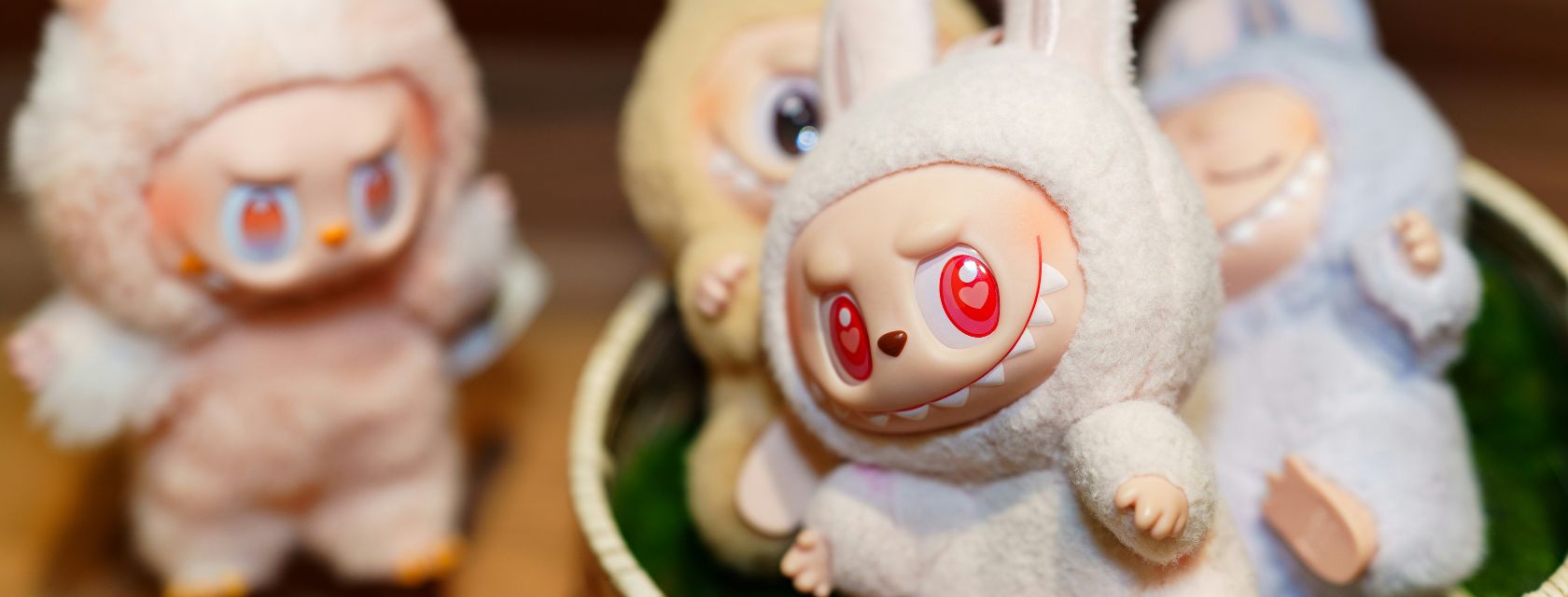
The colourful plush Labubu dolls taking over the internet are leading to unsustainable consumption, according to a marketing researcher at the University of Guelph.

Dr. Jing Wan, a professor in the Gordon S. Lang School of Economics who studies emotional, ethical and sustainable consumption, says the collectable toys have been rising in popularity in recent months, thanks in part to influencer unboxing on social media creating a sense of FOMO (fear of missing out). The dolls come in blind boxes that keep the contents a mystery, so no one knows what they’ll find inside until they’re opened.
“Buyers don’t know which Labubu doll they are getting until they open the box, so every purchase becomes a small gamble,” Wan explains. “The uncertainty and randomness of the reward triggers a dopamine response that reinforces the buying behaviour.”
The act of buying and unboxing Labubus may be boosting emotional excitement, but Wan says it’s also producing a lot of waste.
“Consumers often buy multiple units in hopes of eventually getting the figure they want,” she explains. “This leads to overconsumption, not out of necessity, but due to the design of the product experience itself.”
People buy more Labubus, so more Labubus are produced. As the cycle continues, packaging and even toys may end up in the landfill, if people don’t find the coveted doll they were hoping to unbox.
“The blind box model encourages a disposable mindset, prioritizing novelty and excitement over sustainability,” Wan says.
Wan is available for interviews.
Contact:
Dr. Jing Wan
jingwan@uoguelph.ca