

Evolutionary biologist, dairy cattle expert awarded for innovation, collaboration and societal impact
University of Guelph researchers have received prestigious federal awards from the Natural Sciences and Engineering Research Council of Canada (NSERC) for transforming biodiversity science and improving animal health and welfare.
Dr. Paul Hebert, professor in the Department of Integrative Biology, College of Biological Science and CEO of the Centre for Biodiversity Genomics, was awarded the NSERC Donna Strickland Prize for Societal Impact of Natural Sciences and Engineering Research.
Dr. Michael Steele, professor in the Department of Animal Biosciences, Ontario Agricultural College, together with industry partners at Saskatoon Colostrum Company Ltd. (SCCL), received the Synergy Award for Innovation.
This is the second year in a row that a U of G researcher has received the Donna Strickland Prize, and the sixth time a U of G researcher has received a Synergy Award for Innovation since 2014.
“These awards recognize two outstanding examples of U of G researchers creating impact that improves life at scale,” says Dr. Mazyar Fallah, vice-president, research and innovation. “Dr. Hebert’s groundbreaking discoveries have revolutionized biodiversity science and conservation efforts worldwide, while Dr. Steele’s collaboration with SCCL has transformed approaches to animal health and disease prevention in the livestock sector. We thank NSERC for its continued support of research and partnerships that make these impacts possible.”
Guelph MP Dominique O’Rourke said: “These awards celebrate the remarkable achievements of U of G researchers who are at the heart of groundbreaking discoveries and cutting-edge innovations that make for a healthier planet. The University of Guelph is home to world-class talent that fuels a thriving research and innovation ecosystem, strengthens our economy, and creates new opportunities. Congratulations to Professors Hebert and Steele and to their research teams for this well-deserved recognition.”
These honours are part of the 2026 NSERC Prizes announcement made by Alejandro Adem, president of NSERC, recognizing 26 researchers and four industry partners with prizes totaling $4.05 million.
An official awards ceremony will take place Nov. 4 at the Canadian Museum of Nature in Ottawa.
Donna Strickland Prize for Societal Impact of Natural Sciences and Engineering Research
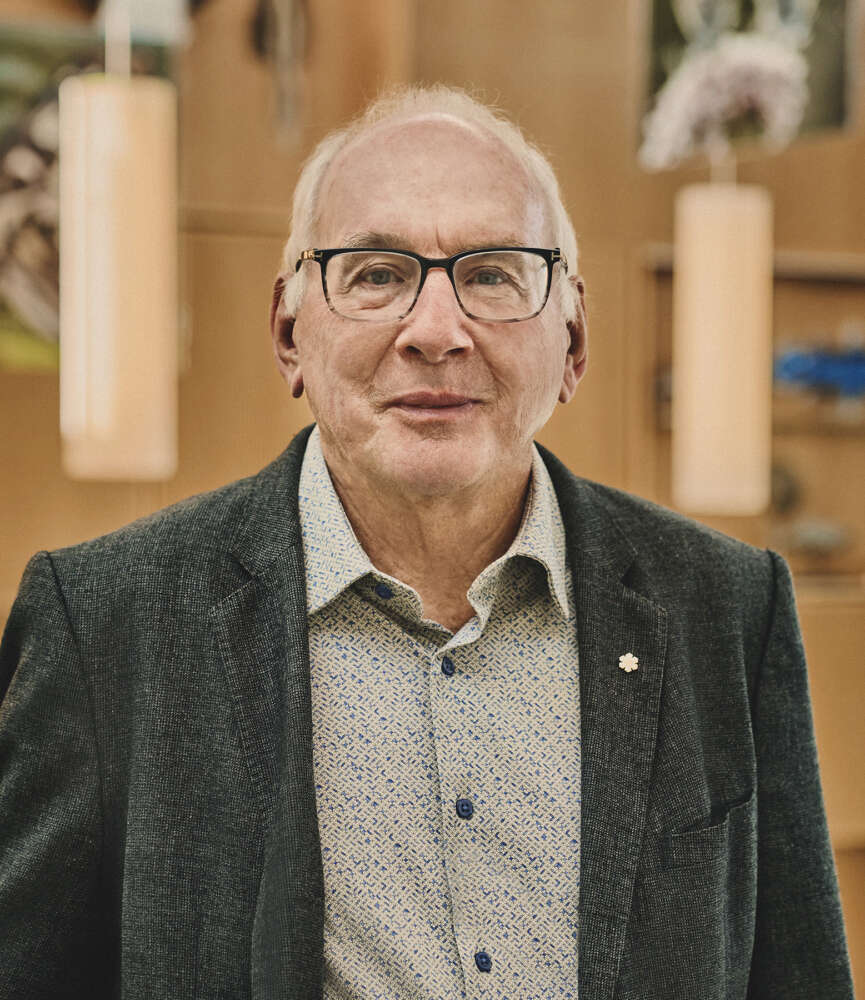
The NSERC Donna Strickland Prize for Societal Impact of Natural Sciences and Engineering Research is given annually to a person or team whose research has led to exceptional benefits for Canadian society, environment and/or economy. The award includes a research grant of up to $250,000 over three years.
Hebert is an evolutionary biologist whose work has significantly increased humanity’s ability to understand and protect life on Earth.
As the founder of DNA barcoding, Hebert introduced this simple yet powerful method to distinguish species quickly and accurately using short genetic sequences, offering a scalable way to catalogue life and accelerate discovery. This approach addressed a longstanding challenge at a time when most species remained undocumented and taxonomic expertise was becoming scarcer.
Aside from this breakthrough, Hebert helped drive a thousand-fold reduction in sequencing costs by advancing metabarcoding and environmental DNA technologies that allow biodiversity to be monitored at unprecedented speed and scale. As CEO of the Centre for Biodiversity Genomics and the International Barcode of Life Consortium, he has also established the global infrastructure needed to support these innovations.
Today, Hebert’s tools are used worldwide to detect invasive species, combat wildlife trafficking and food fraud, and support environmental assessment and conservation. By making biodiversity more visible, measurable and actionable, his research is transforming how society manages and protects the natural world.
Synergy Award for Innovation

The Synergy Awards for Innovation recognize collaborations that model effective partnership between academic institutions and partner organizations, honouring the most outstanding achievements generated through these partnerships. For university partnerships, awards include a $200,000 NSERC research grant and a $50,000 voucher for partner organizations to put towards cash contributions.
Through a long-standing partnership with SCCL, Steele and his team have transformed how livestock producers support the health and development of young animals, specifically calves.
Together, Steele and SCCL developed evidence-based colostrum feeding strategies that improve calf health and welfare and strengthen disease resistance with the potential to reduce the need for antimicrobial treatments.
Their research advanced knowledge of how colostrum – the first milk available to newborn calves and an animal’s first source of nutrition – influences immune function, gut development and long-term health at a time when its benefits were poorly understood. Their work also helped show the benefits of feeding colostrum beyond the first day of life, particularly during an animal’s transition from colostrum to milk, fueling the development of new feeding recommendations and applications for colostrum-based products.
Outcomes from this partnership have reshaped how producers approach calf health and paved the way for a new generation of validated nutritional products and management practices that help producers improve animal health while meeting growing demands for sustainable livestock production.
Beginning with a scientific investigation into early-life nutrition, Steele and SCCL turned colostrum management into a precision tool for disease prevention and animal care.