
NSERC Alliance Society-funded project will reintroduce three at-risk species and build a new model for insect conservation in Canada
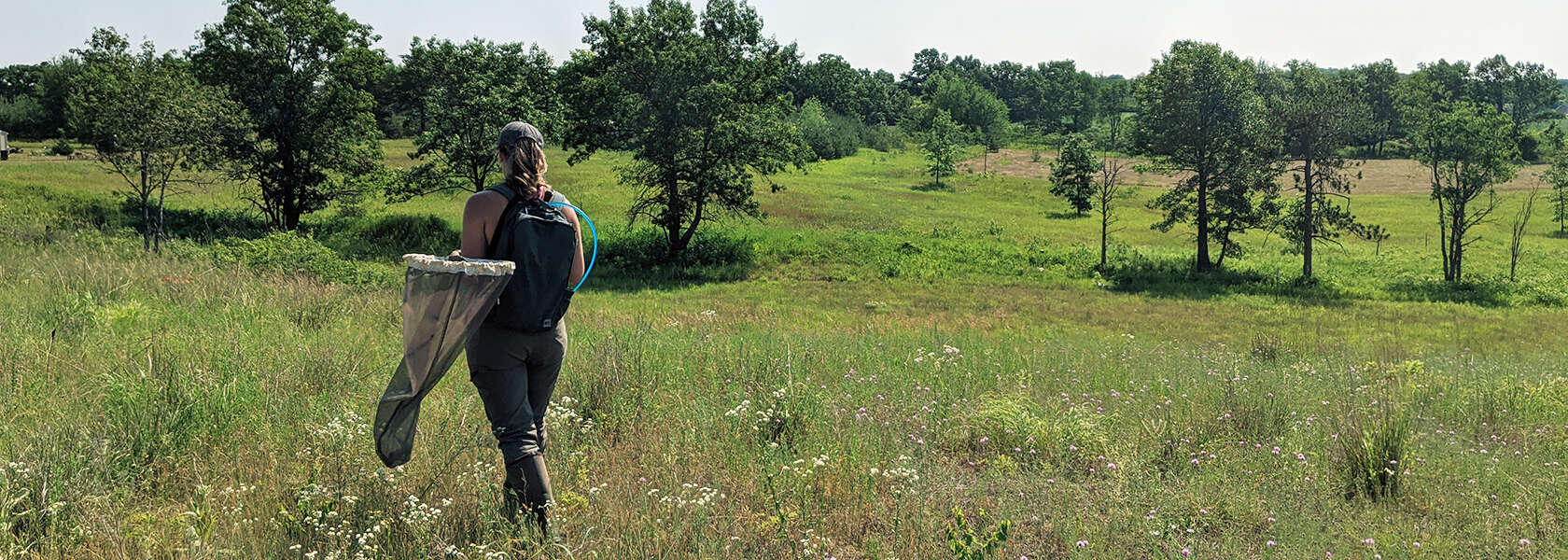
A team of universities, conservation organizations, and government agencies, led by the University of Guelph, is undertaking an ambitious conservation effort to recover three endangered butterfly species and restore some of Canada’s rarest and most threatened habitats.
Building on a successful butterfly reintroduction in Ontario, Dr. Ryan Norris, ecologist in the Department of Integrative Biology, is working with several national partners to restore healthy populations of the Mottled Duskywing, the Frosted Elfin and the very rare Curiously Isolated Hairstreak.
By coordinating the recovery of three at-risk butterfly species at once, the team will develop what researchers believe is Canada’s first multi-species framework for insect conservation.
The project is being funded through a $2.4-million NSERC Alliance–Society Grant and brings together the Cambridge Butterfly Conservatory, Wildlife Preservation Canada, the Wilder Institute at the Calgary Zoo, Parks Canada, Ontario Parks and other conservation agencies.
Return of rare butterflies depends on habitat restoration
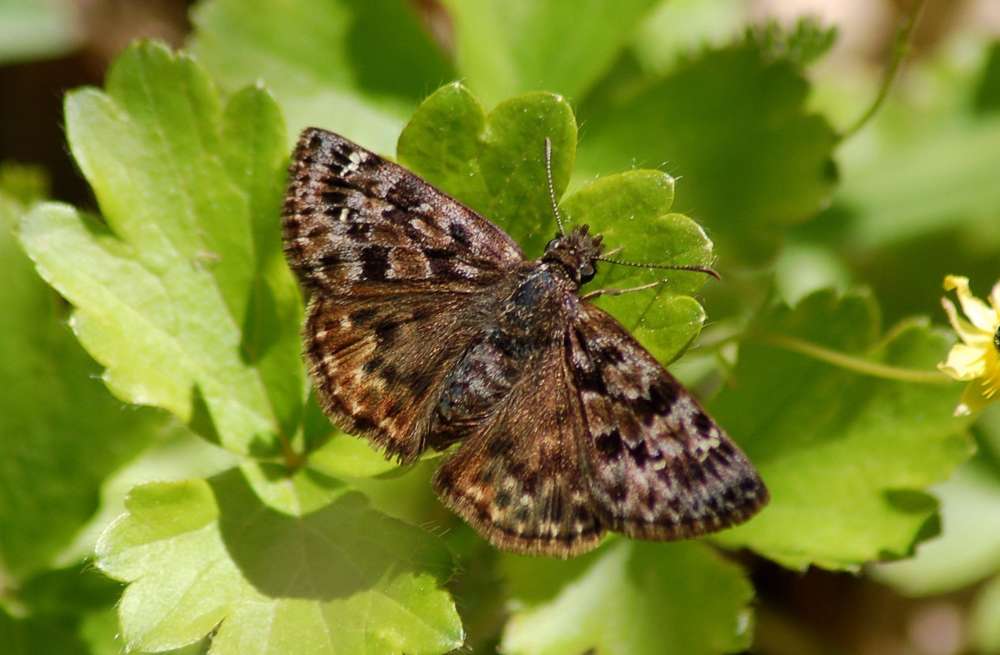
Five years ago, Dr. Norris led a research team that made headlines when it successfully reintroduced the Mottled Duskywing to Pinery Provincial Park. The species is now thriving there and in several sites near Long Point, Ont., providing the foundation for an even larger recovery effort.
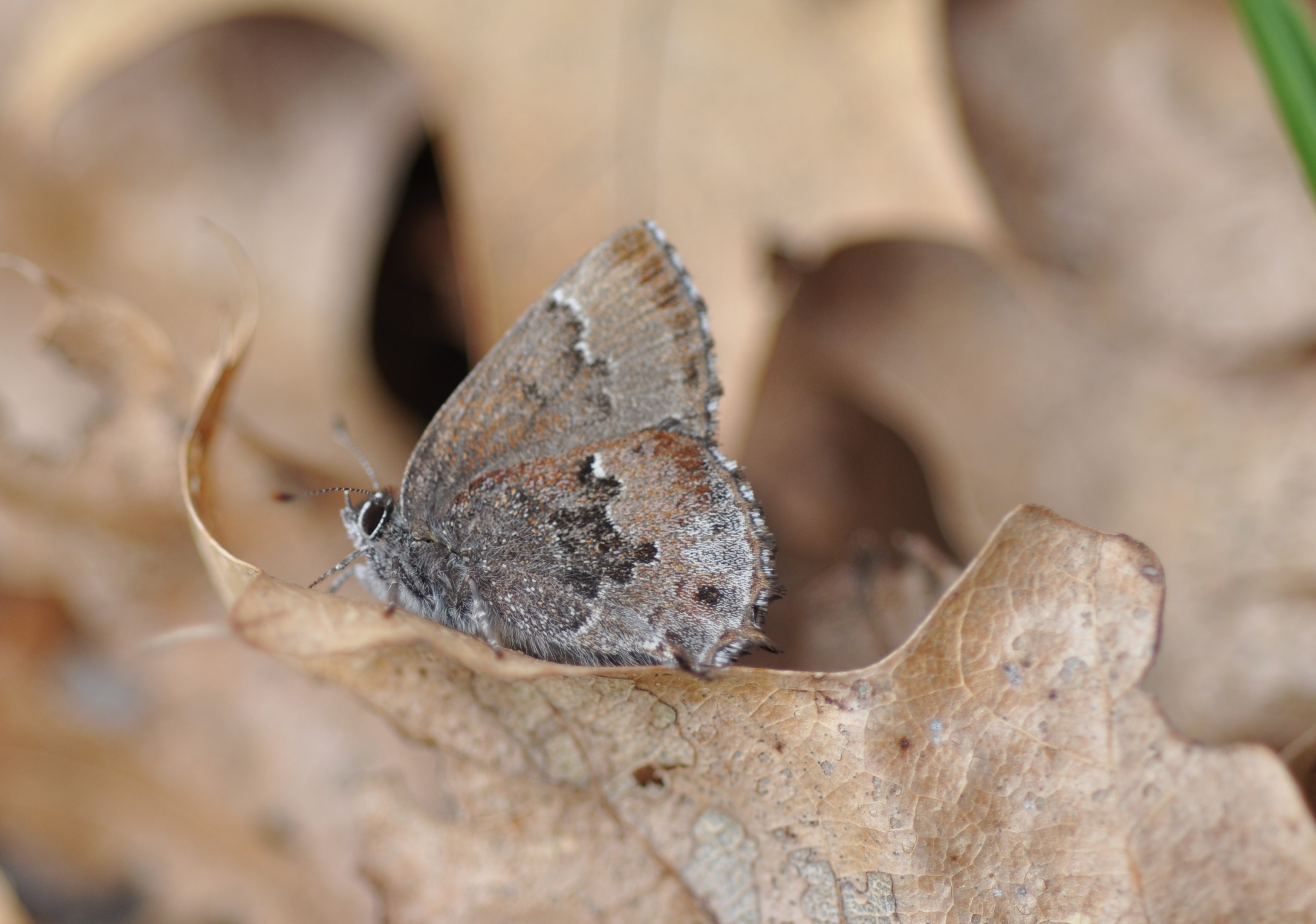
One of the project aims is to re-establish the Frosted Elfin, a species that was extirpated from Canada in the 1990s, meaning it has not been seen in this country for nearly 30 years.
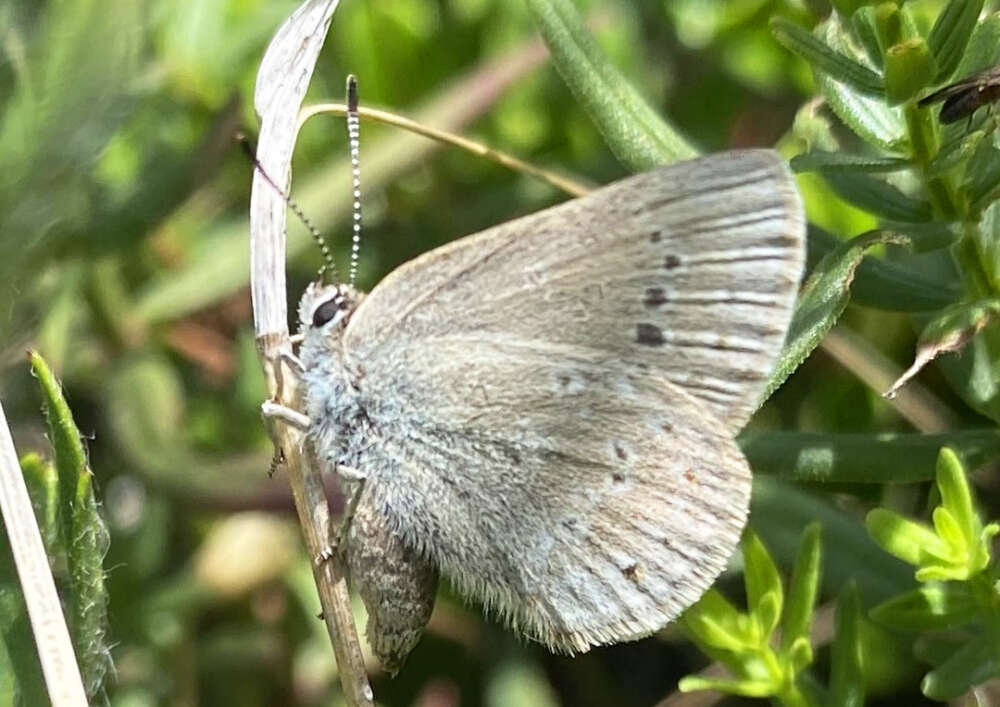
The team will also work to strengthen the sole remaining population of the Curiously Isolated Hairstreak, a newly identified species restricted to a small area of southern Alberta.
Each butterfly depends on highly specialized habitats and food sources that are increasingly threatened by land-use changes and environmental pressures.
“These butterflies aren’t as recognizable as monarch butterflies, and most Canadians have probably never heard of them,” says Norris. “But they can tell us a great deal about the health of the ecosystems they depend on. Successfully restoring and strengthening these populations is a major step towards rewilding important habitats in Canada.”
The habitats themselves are among Canada’s rarest ecosystems and support many vulnerable plants and animals.
“We’re at risk of losing not only these butterflies, but also the rare habitats they depend on and the many other species those habitats support,” says Norris. “Recovering the butterflies therefore becomes part of a much larger effort to protect and restore these ecosystems.”
National partnership builds new recovery model
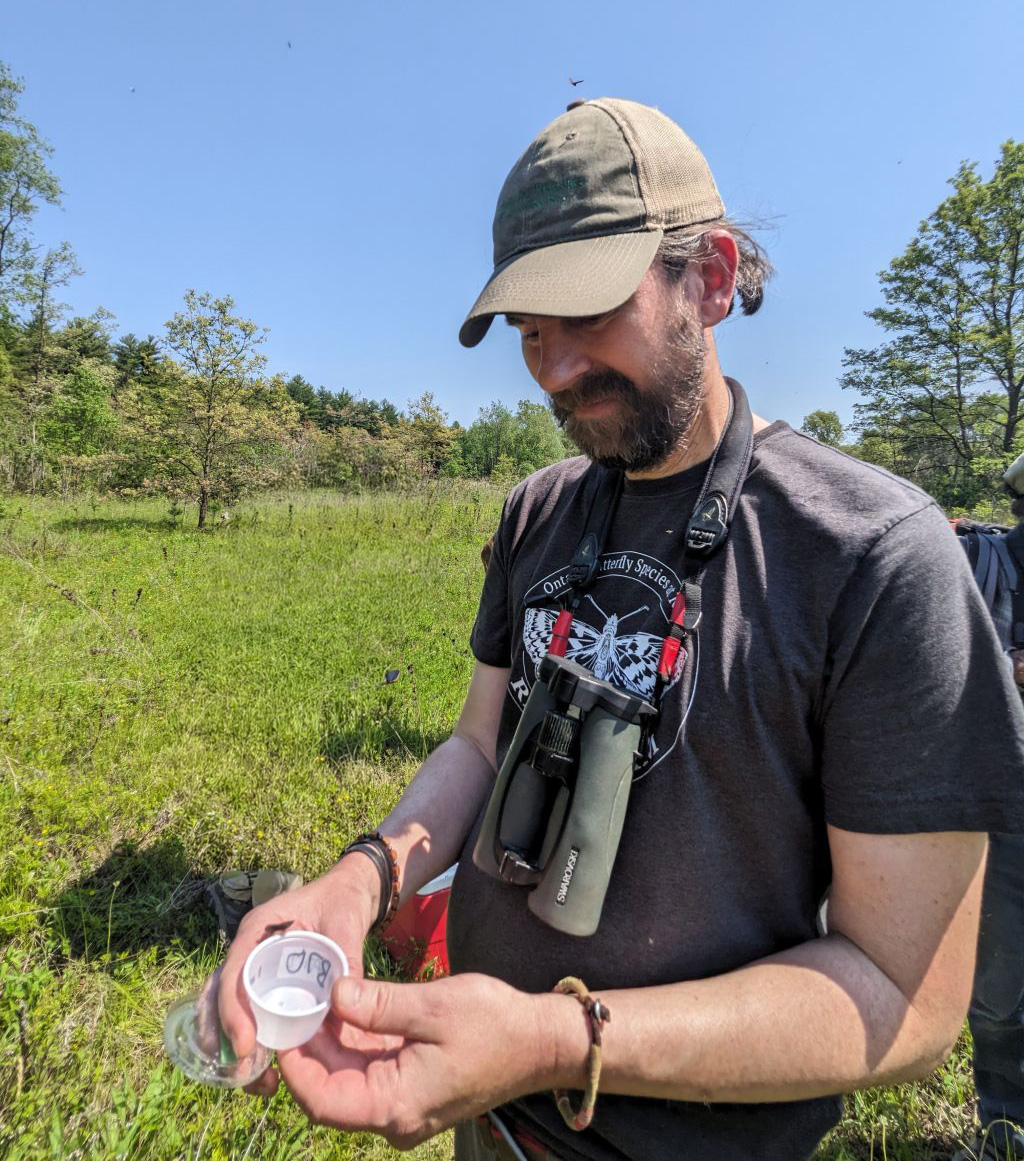
Butterfly recovery efforts have often operated independently, limiting opportunities to share knowledge and develop best practices. This partnership combines expertise in butterfly breeding, genetics, habitat restoration, population ecology, and species recovery.
Jessica Linton, a senior biologist with Natural Resources Solutions Inc. and founder of the Ontario Butterfly Species-at-Risk Recovery Team, will serve as project manager.
“This project is focused on saving species-at-risk from disappearing in Canada and brings attention to globally rare habitats that support a wide range of species,” she says.
“Being a part of a team that will complete Ontario’s first reintroduction of an extirpated butterfly species is a dream come true for those involved, and a career-defining moment for me, personally. Collaborating with the University of Guelph to train the next generation of conservation biologists is a great honour.
Butterflies used for reintroductions and augmentations will be reared in captivity, a process that presents its own challenges because of their small size, specialized diet, and complex life cycles.
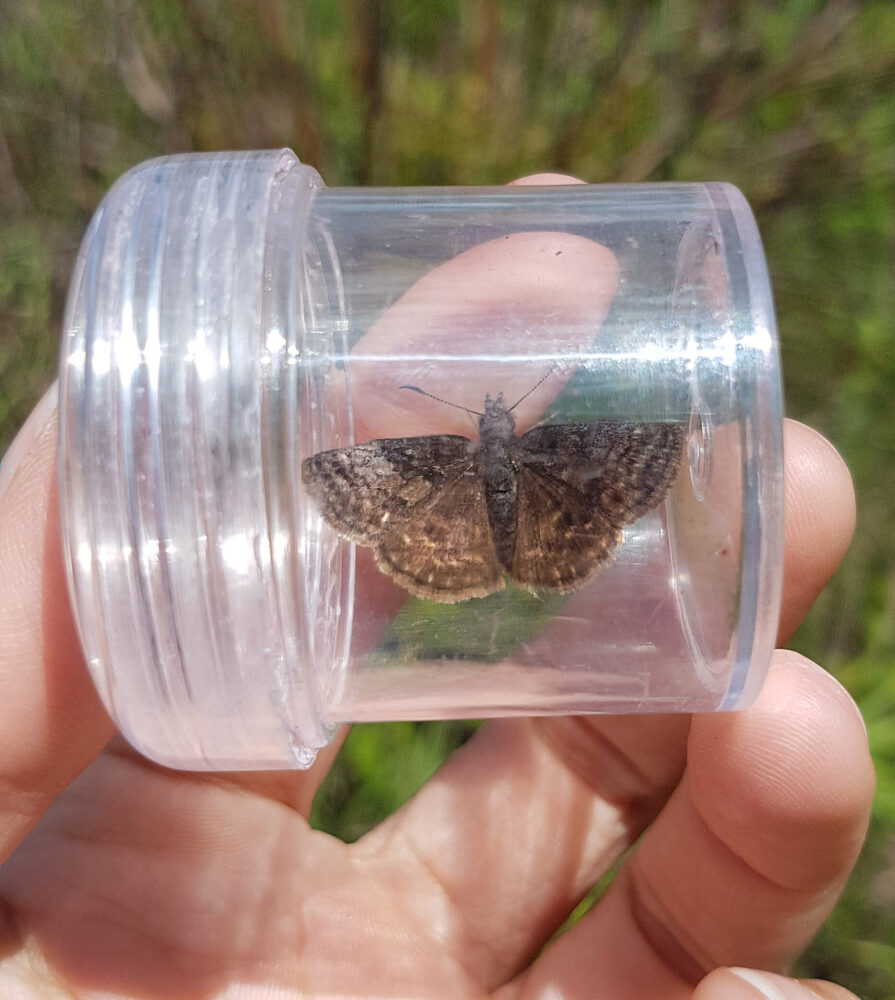
The Cambridge Butterfly Conservatory will lead the conservation rearing component of the project, establishing and refining protocols for raising Frosted Elfin butterflies in human care and preparing them for reintroduction into the wild.
“It’s incredibly rare to have the opportunity to bring a species back to Canada that has been absent for decades, and to know that butterflies raised by our team could become the foundation of a new Canadian population is tremendously rewarding,” said Adrienne Brewster, executive director and curator at the Cambridge Butterfly Conservatory.
“The success we’ve had with the Mottled Duskywing has shown us what can be accomplished when conservation organizations, researchers and land managers work together. This project represents an exciting next step for butterfly conservation.”
The Curiously Isolated Hairstreak presents a unique learning opportunity, because its caterpillars rely on a symbiotic relationship with ants, which protect them from predators in exchange for a sugary secretion.
Collectively, this work will lay the foundation for a national butterfly recovery team and hopefully a dedicated invertebrate conservation centre focused on species reintroductions.
Indigenous knowledge key to restoration
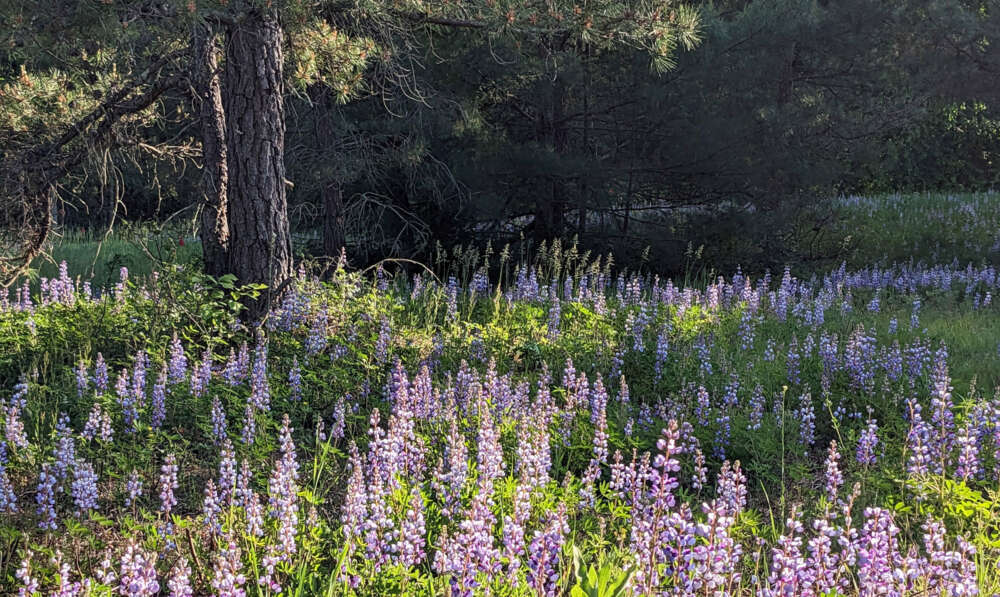
The researchers will work closely with First Nations communities, including Alderville First Nation, which supports the largest Mottled Duskywing population in Canada. That success is tied, in part, to the community’s longstanding use of controlled burns to maintain Black Oak savannah habitat.
By studying how prescribed fire contributes to species recovery, researchers hope to develop best practices that can be applied to habitat restoration efforts across the country.
U of G undergraduate and graduate students will have hands-on involvement in the project, learning about butterfly husbandry, genetics, field ecology and species recovery operations.
“Canadians need examples showing that species decline is reversible,” says Norris. “With sustained effort, strong partnerships and habitat restoration, it is still possible to bring species back. Successful reintroductions give us something that conservation badly needs: real hope that recovery is possible.”