
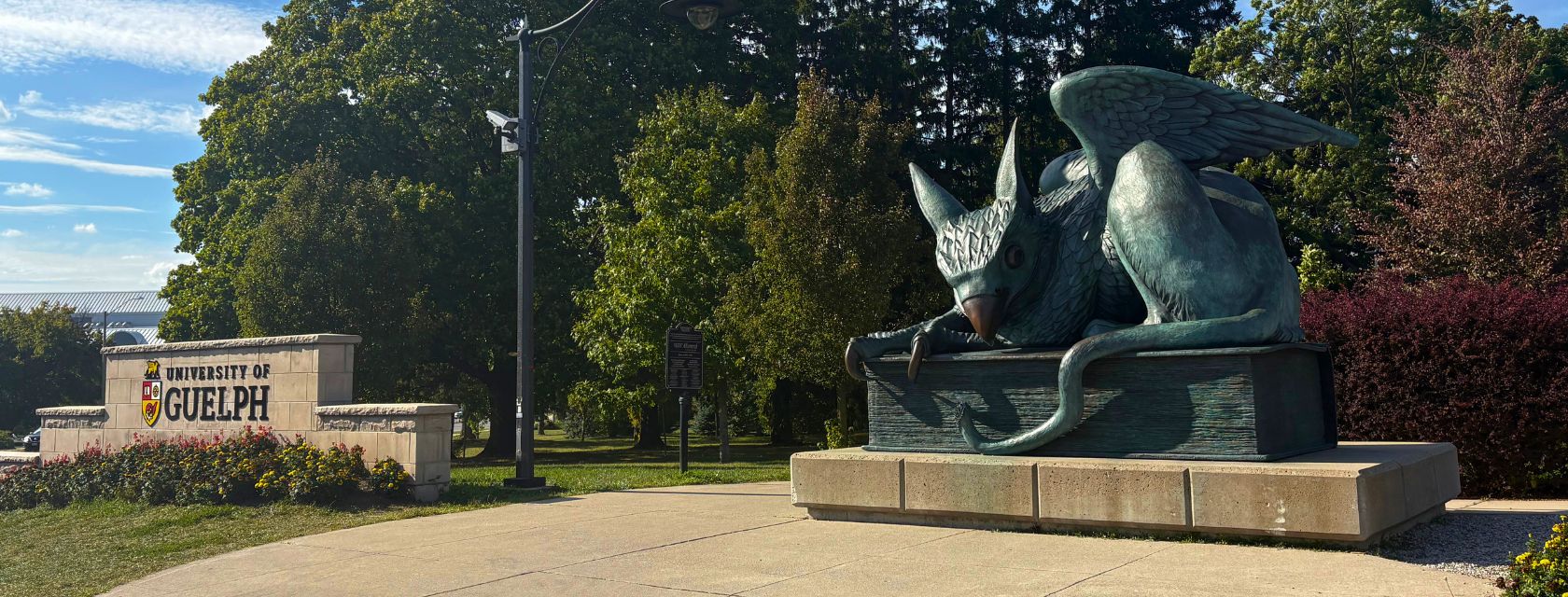
For the second consecutive year, seven University of Guelph faculty have been named to The Royal Society of Canada, the country’s most esteemed body of scholars, researchers and artists dedicated to advancing knowledge, excellence and public interest.
Four faculty members have been named Fellows and three have been named Members of the College of New Scholars, Artists and Scientists.
“We are extremely proud to once again have seven of our faculty members recognized by the Royal Society of Canada for their groundbreaking research contributions,” says Dr. Shayan Sharif, interim vice-president (research and innovation). “These are great achievements that speak to the diversity of excellence and scholarly leadership at the University of Guelph.”
A formal Celebration of Excellence and Engagement will be held Nov. 12-16 in Montréal to induct all new Fellows and College Members.
Royal Society Fellows
Dr. Evan Fraser, College of Social and Applied Human Sciences
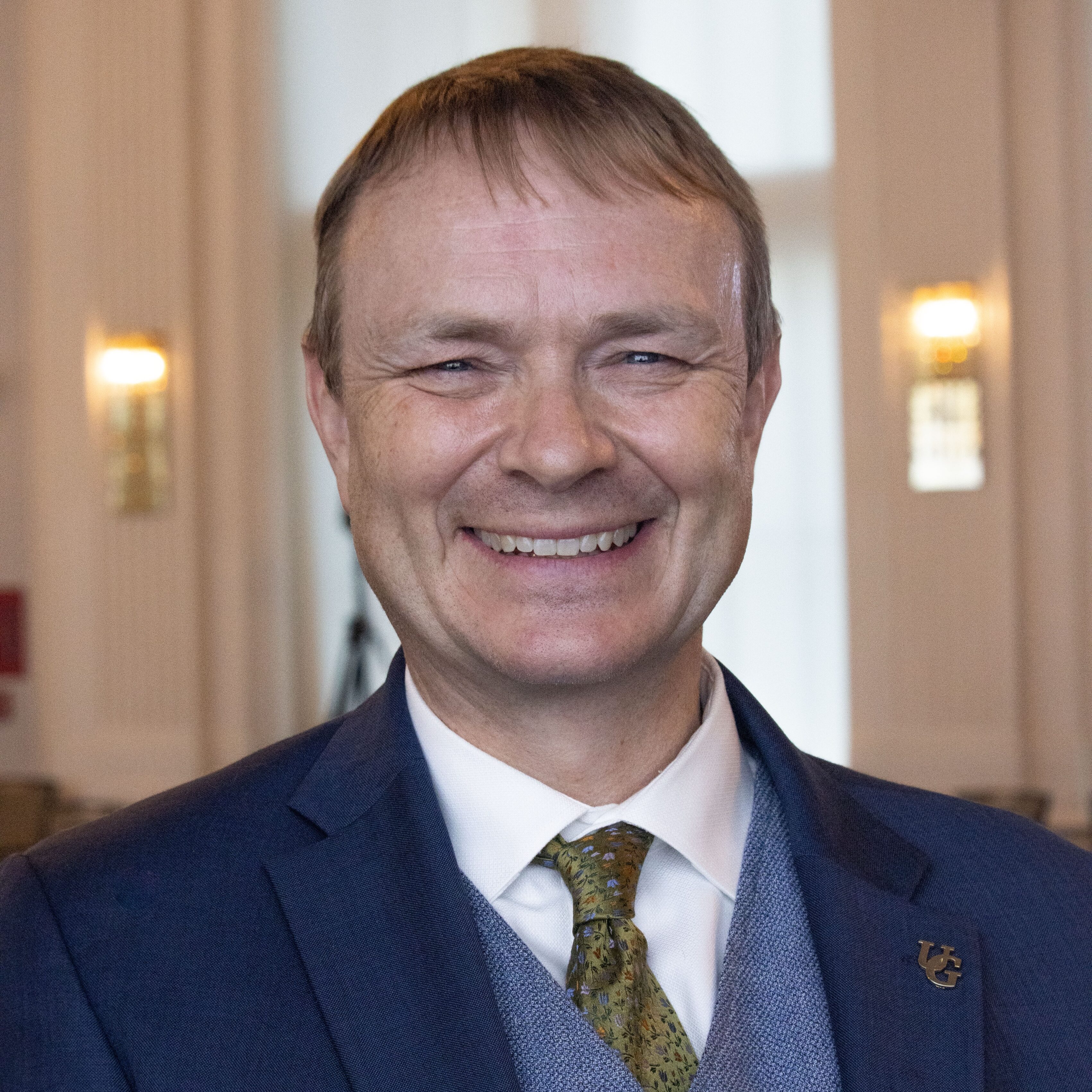
“It is so gratifying that the Royal Society is recognizing the important work on food security that we have been embarked on. In an age when an unacceptable number of Canadians face chronic food insecurity, and when global data suggests there are more hungry people on the planet than ever before, focusing our attention on unlocking innovations to solve great global problems has never been more important.”
Dr. Evan Fraser, professor in the Department of Geography, Environment & Geomatics and director of the Arrell Food Institute, is a globally recognized scholar dedicated to affordably and nutritiously feeding the world’s nine billion people while simultaneously protecting the environment.
Fraser’s research focuses on food security and sustainability, including its vulnerability to political and environmental factors. He also explores how agri-food technologies, including robotics and artificial intelligence innovations, can transform our food systems to be more equitable and resilient. A member of global advisory groups and task forces – including the Canadian Food Policy Advisory Council (co-chair), the United Nations High Level Panel of Experts on Food Security and Nutrition and the European Commission’s High Level Expert Group on Food System Science – he informs decision-makers to help shape national and international policy.
Fraser is an alumni Member of the College of New Scholars, Artists and Scientists and a Fellow of the Royal Canadian Geographic Society. He received the Canadian Science Policy Centre’s Science-Policy Trailblazer Award in 2024 and held a Tier 1 Canada Research Chair in Global Human Security from 2010-2020.
Dr. Jacqueline Murray, College of Arts
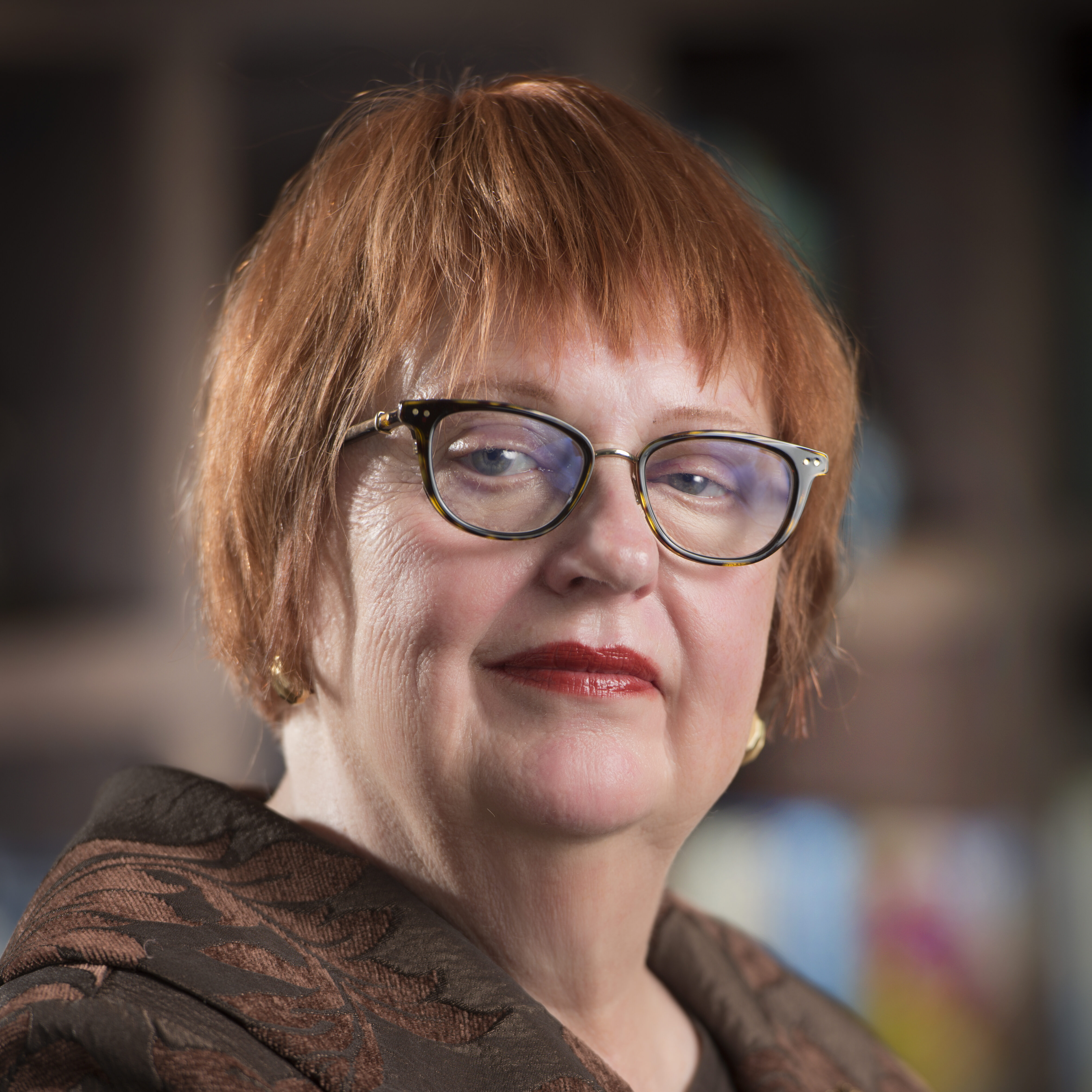
“I am honoured, indeed, to have been elected to The Royal Society of Canada. This is not only a personal recognition but also underscores the importance of Medieval Studies in the vast universe of scholarly research.”
Dr. Jacqueline Murray, professor emerita in the Department of History, is a world-renowned medievalist whose research has made groundbreaking contributions to social history. Through the study of pre-modern marriage, family, gender and sexuality, her work broadens perspectives on relationships of all kinds and demonstrates why a deeper, more nuanced understanding of the Middle Ages is important and relevant to the modern world.
Murray’s landmark scholarship has opened new research fields and methodological approaches to research questions previously considered inaccessible. She has helped shape what is now the field of premodern masculinities and led scholarly engagement with issues of contemporary concern such as equal marriage and sexual diversity.
Murray is a Fellow of the Royal Historical Society and co-general editor of the Gender in the Middle Ages Series for Boydell and Brewer Publishing in the U.K. She was the founding president of the Society for Medieval Feminist Scholarship and is past president of the Canadian Society of Medievalists.
Dr. Beth Parker, College of Engineering
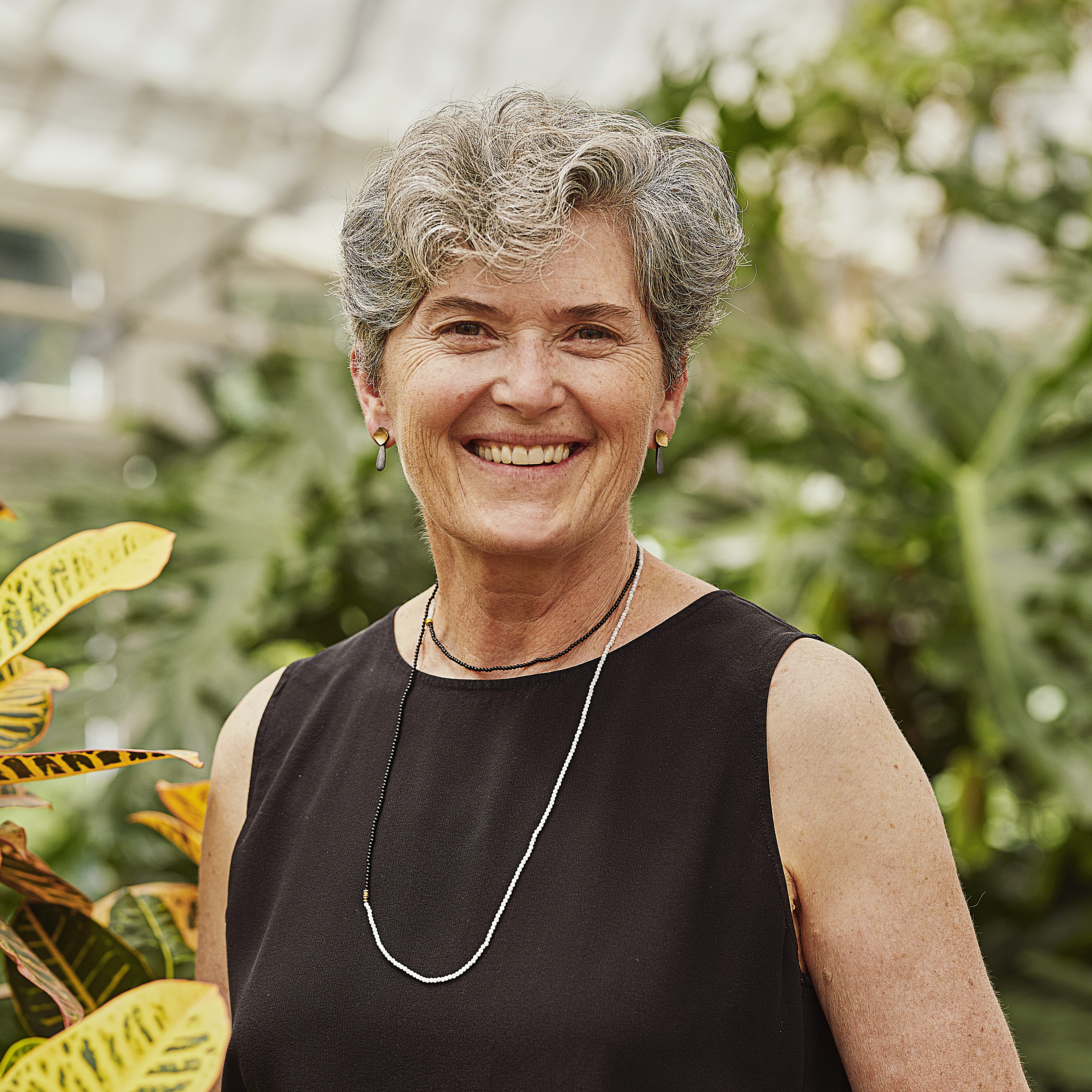
“It is an honour to be acknowledged for the positive outcomes of my professional work that benefit Canada and society as a whole, and gives a recognition to the critically important role of groundwater. I also believe this is an acknowledgment of a very productive and capable team of research staff and students advancing novel methods to address some very complex, real world challenges involving groundwater, and freshwater supplies.”
Dr. Beth Parker, professor in the Department of Civil, Environmental and Water Resources Engineering and director of the Morwick 360 Groundwater Research Institute, is an international leader in hydrogeology, whose discoveries have transformed groundwater science. Parker has revolutionized our understanding of how pollutants travel within groundwater systems, particularly fractured bedrock, allowing site owners to better predict impacts of contaminant spills, gauge risks to water supplies and determine remediation needs.
Her water monitoring technologies and remediation techniques are now used by governments, scientists and engineers to manage and protect freshwater resources, globally. Her research has helped shape regulations – including the Canada Water Act and the Clean Water Act in Ontario – and informed government advisory panels in the USA and across Europe.
Parker is a recipient of the NSERC Synergy Award for Innovation, the Geological Society of America’s O.E. Meinzer Award, and the Robert N. Farvolden Award from the International Society of Hydrogeologists. She held an NSERC Industrial Research Chair in Hydrogeology for three consecutive terms from 2007-2024. Parker is a Fellow of the Canadian Academy of Engineering, a Fellow of the American Geophysical Union, and most recently an Elected Member of the U.S National Academy of Engineering.
Dr. John Russon, College of Arts
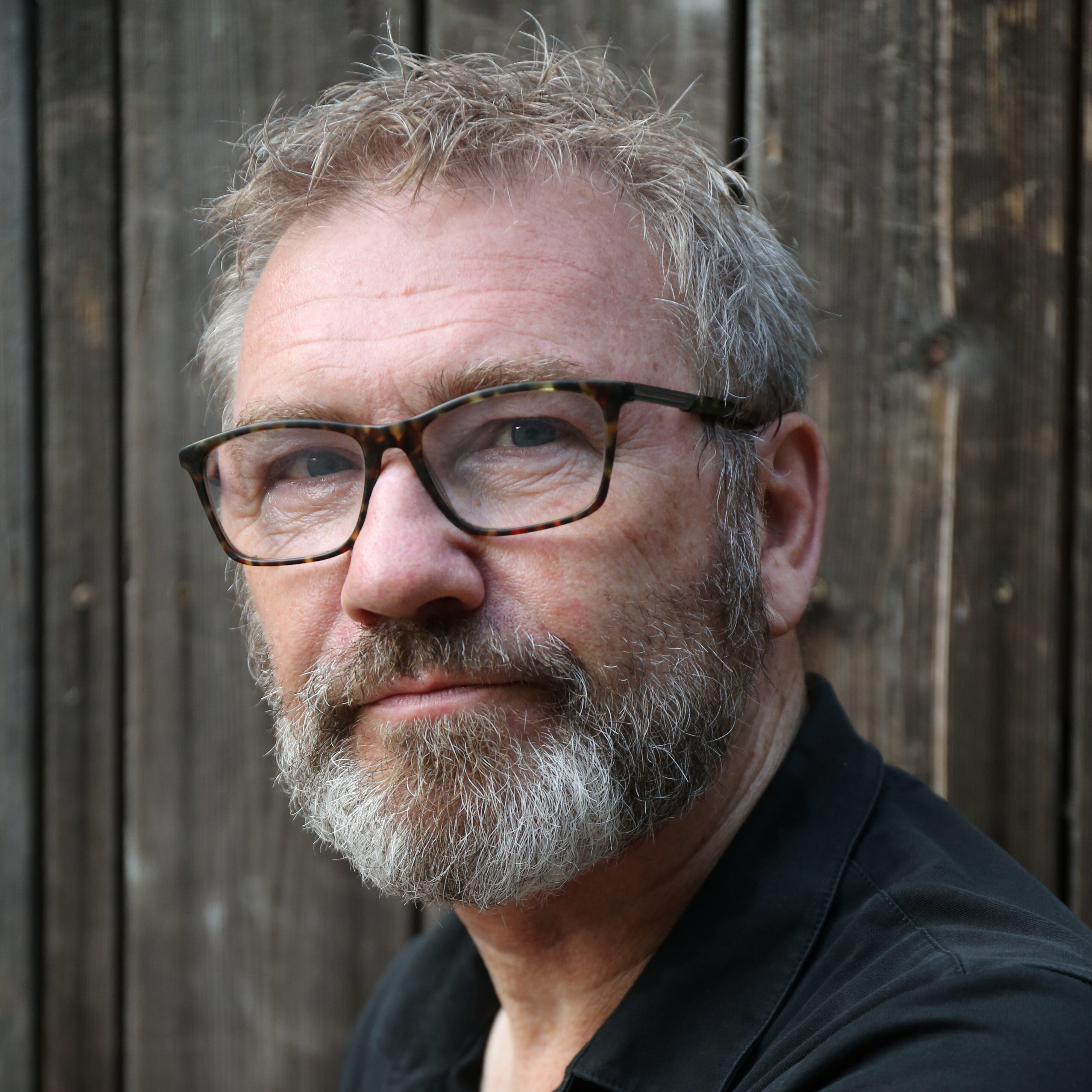
“It is an honour to be included in this society of great Canadian scholars.”
Dr. John Russon, professor in the Department of Philosophy, is a global leader in the philosophical study of human nature, shaping contemporary philosophy and influencing thousands of students and their research approaches.
Using the phenomenological method, an approach that focuses on lived experiences and perceptions, Russon writes about matters that affect human development including psychological wellbeing, aging, human rights, economics, religion and art. A leader in the study of the history of philosophy, his original works and commentaries have been highlighted at international conferences and in scholarly journals. His four-book series on the philosophy of human life has been incorporated into academic courses, and awarded the Broadview Press/Canadian Philosophical Association Book Prize.
Russon has given more than 200 talks at universities across Canada, the United States, Turkey and India and over 20 keynote addresses at societies and conferences. He hosts the annual Toronto Summer Seminar in Philosophy and publishes free lectures on YouTube.
College of New Scholars, Artists and Scientists
Dr. Jennifer Geddes-McAlister, College of Biological Science
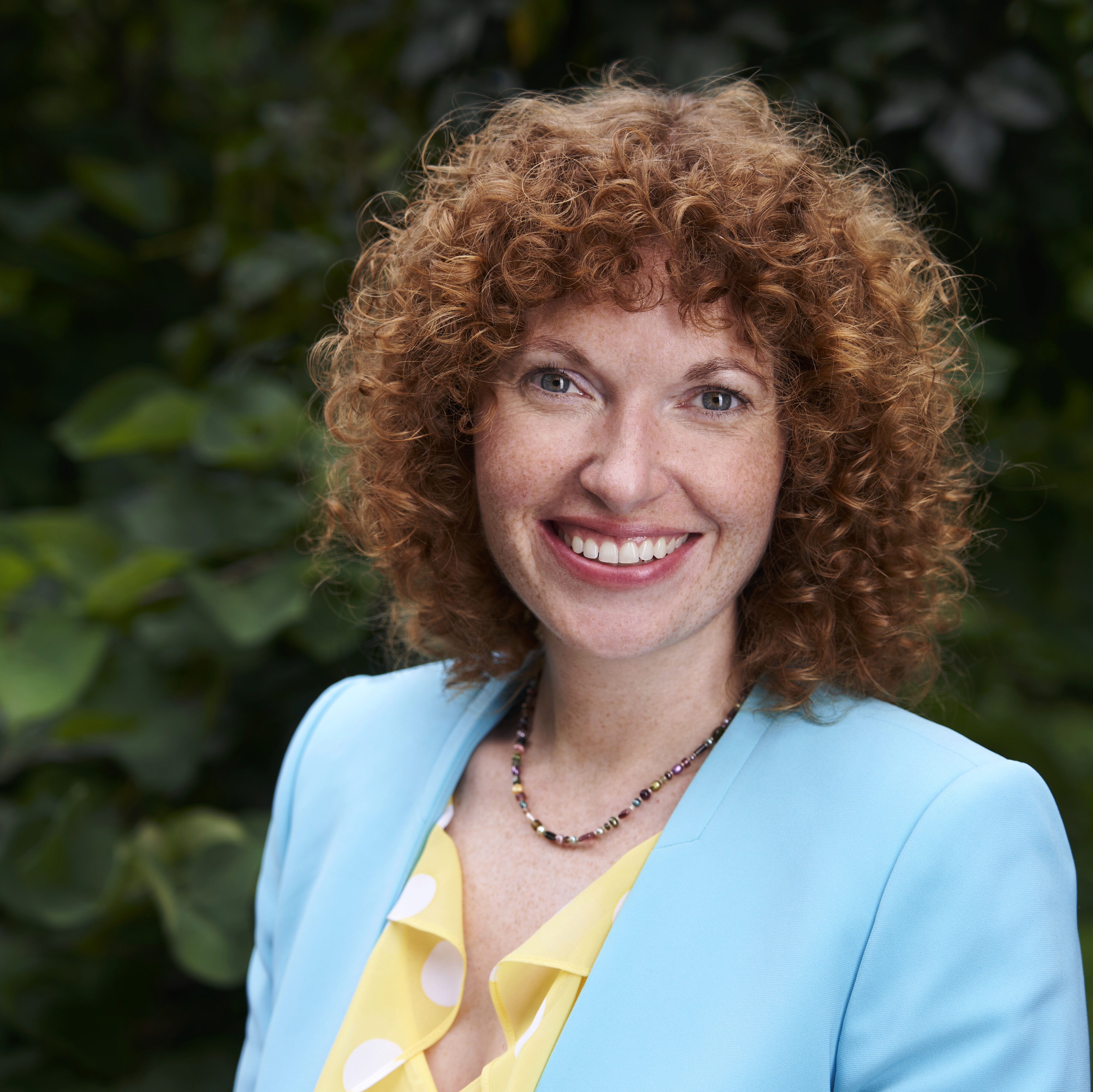
“I am honoured to join The Royal Society of Canada College of New Scholars, Artists and Scientists, where I aspire to foster collaboration, innovation and mentorship across our scholarly communities.”
Dr. Jennifer Geddes-McAlister, professor in the Department of Molecular and Cellular Biology, is a Tier 2 Canada Research Chair in the Proteomics of Fungal Disease in One Health whose research focuses on combating antifungal resistance and improving human health and food security by developing new antifungal drugs.
Her work spans fields of microbiology, immunology, plant biology, biochemistry and computational biology to treat and prevent infectious diseases in medicine and agriculture. She has discovered methods to find new disease markers and drug targets, which are now adopted worldwide. She also founded Moms in Proteomics, an international movement supporting mothers and women in STEM, and her forthcoming book for the Royal Society of Chemistry examines the challenges they face and how to overcome them.
Geddes-McAlister has spoken at more than 115 events across the globe. Her work has been published in top-tier journals and featured in local and national media. She is the president of the Canadian National Proteomics Network where she leads EDI initiatives and supports the next generation of scientists.
Dr. Diana Lewis, College of Social and Applied Human Sciences

“This is a great honour, and I look forward to supporting The Royal Society of Canada in its efforts to advance reconciliation with Indigenous Peoples.”
Dr. Diana Lewis, professor in the Department of Geography, Environment & Geomatics and founder and director of the IndigenERA Lab, is a globally recognized Indigenous scholar and advocate for Indigenous-led research and data sovereignty.
Lewis, a Mi’kmaq person and member of Sipekne’katik First Nation, is a Tier 2 Canada Research Chair in Indigenous Environmental Health Governance. In this work, she sheds light on how and why Indigenous worldviews must inform environmental decision-making to ensure cultural impacts are not overlooked. Her research program uses an Indigenous-led, community-based approach to assess environmental risks of industrial sites. Combining government data with data from Indigenous environmental health surveys, Lewis’ work informs local decision-making for assessing impacts of development on the health of the Indigenous groups that she works with across Canada.
Lewis co-authored Canada’s first Indigenous-led climate change report and has spoken at environmental conferences, both nationally and internationally. She is the co-chair of the Indigenous Peoples’ section of the International Association for Impact Assessment (IAIA), and advisor to government groups.
Dr. Heather Murphy, Ontario Veterinary College

“I am extremely honoured to be named a Member of The Royal Society of Canada. I am an applied researcher and had a somewhat non-traditional path to academia. As a result, I feel very privileged that my academic peers have given me this recognition and believe my waterborne disease research is important and has a positive impact on the health and lives of Canadians. I am excited to contribute to the RSC over the next seven years by developing a mentorship program for research fellows.”
Dr. Heather Murphy, professor in the Department of Pathobiology and Tier 2 Canada Research Chair in One Health, is a leading expert in waterborne diseases. She combines microbiology, engineering, risk assessment and epidemiology to protect water supplies and improve global health.
Her research focuses on reducing waterborne diseases, with an emphasis on vulnerable populations, to help communities around the world access clean water and sanitation facilities. With UNICEF in Mali, she helped build the largest water, sanitation and hygiene in schools’ program in the world. Murphy’s work on private wells in North America raises awareness of how millions lack access to clean drinking water in high-income countries. She is leading the first randomized controlled trial to determine whether treating well water with UV light can reduce waterborne disease in children in Pennsylvania.
Murphy serves on the Health Professionals Advisory Board for the International Joint Commission, and the International Water Association’s Health Related
Water Microbiology Specialist Group Steering Committee. She is a U of G Research Excellence Awardee and a Young Alumnus of Honour in Engineering.